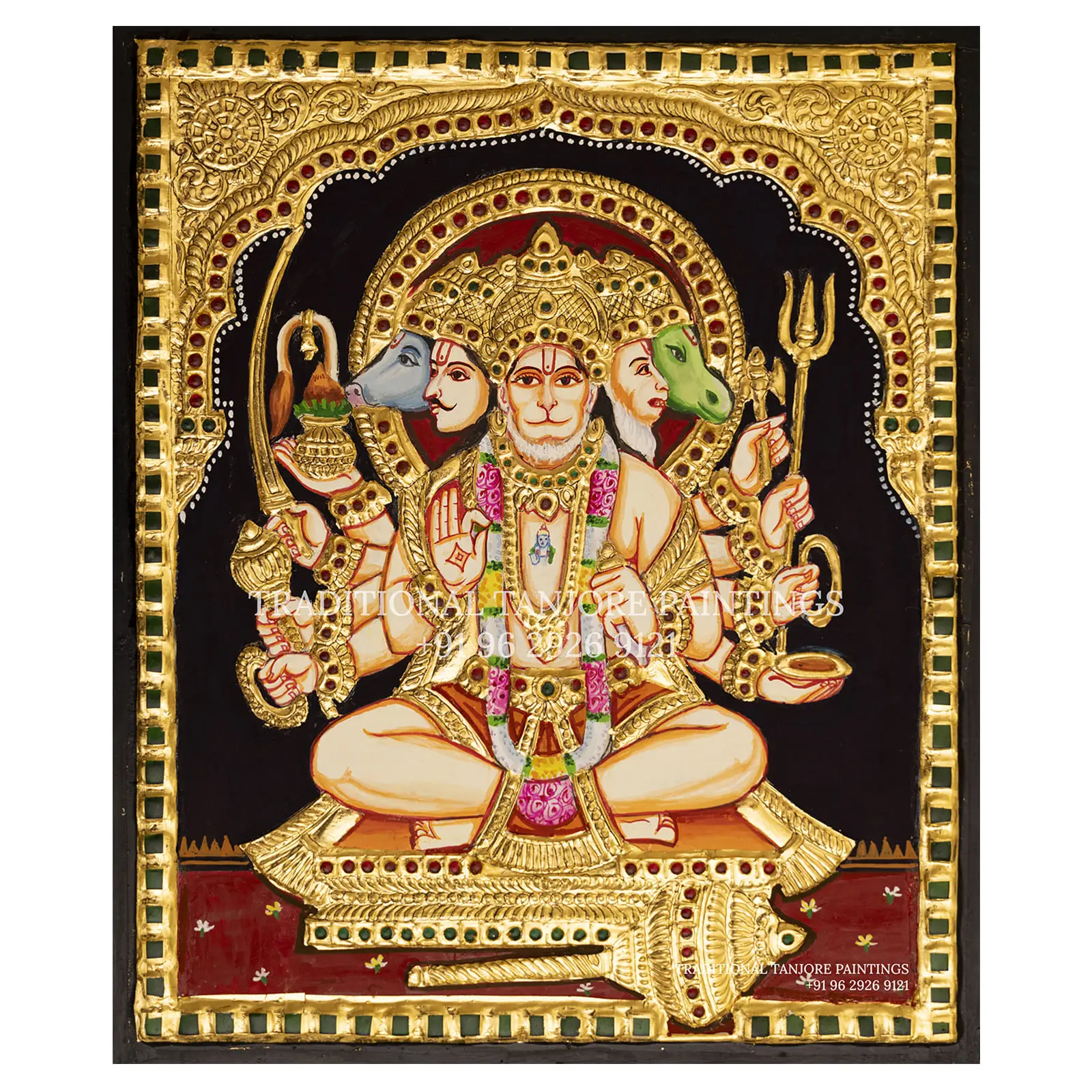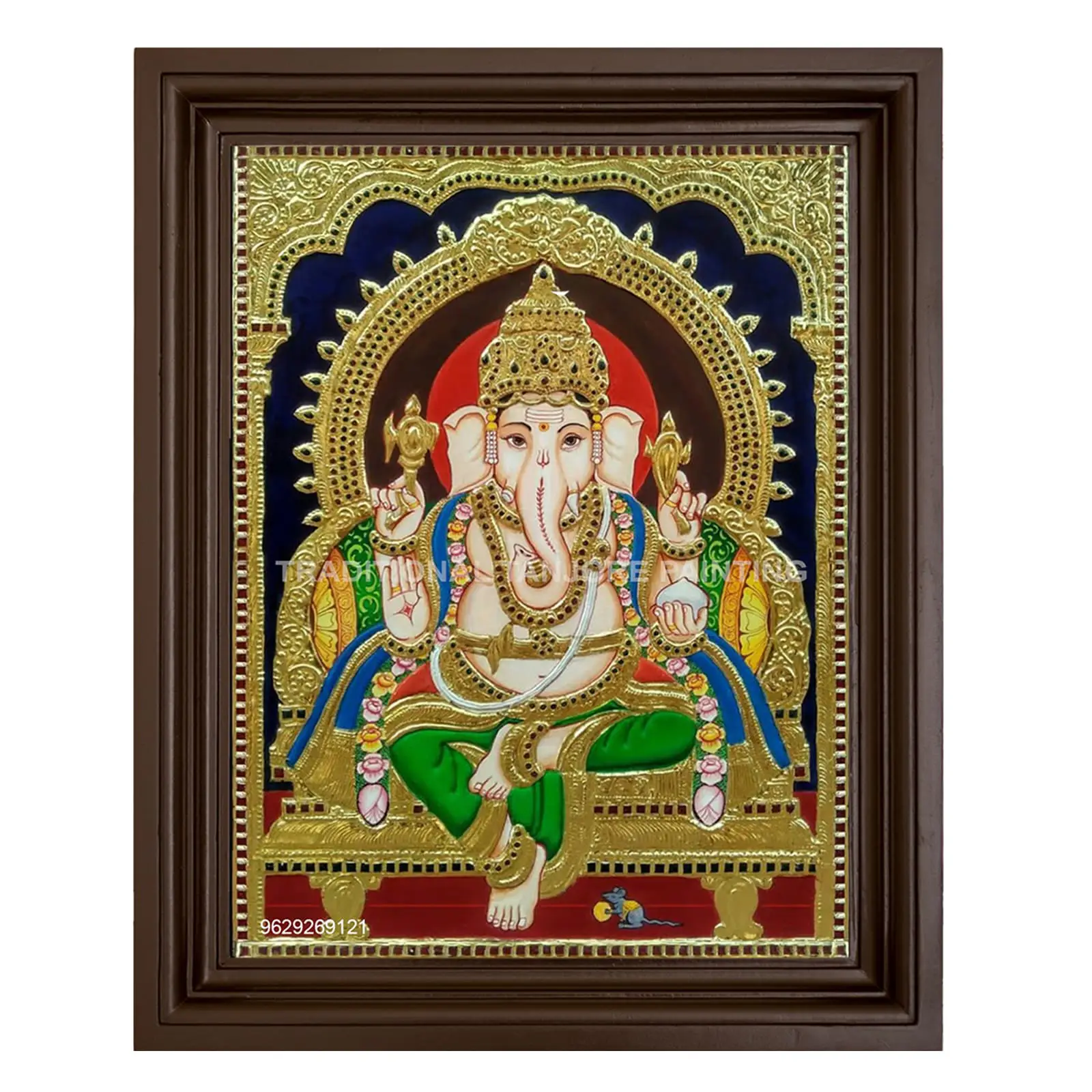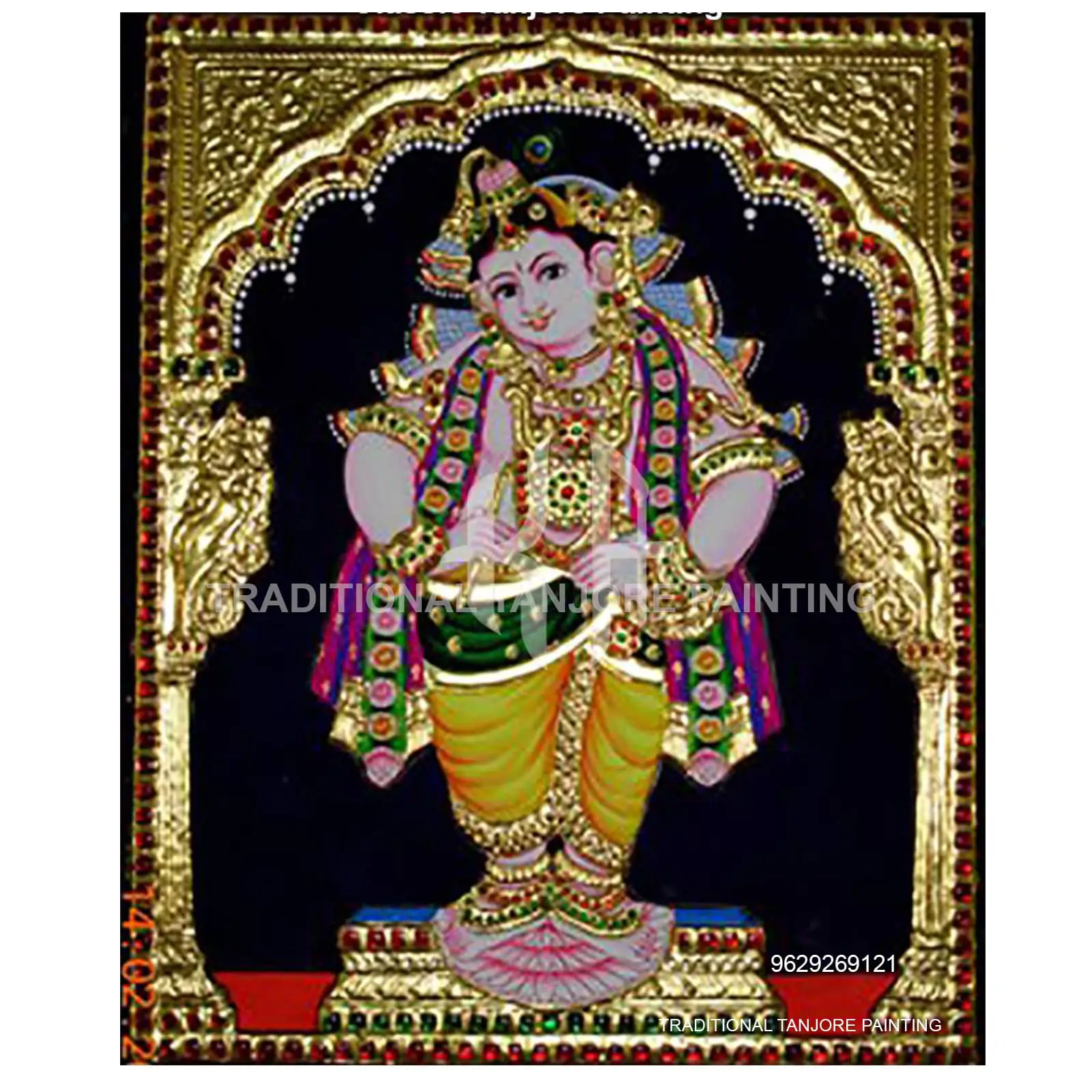
Why Are Tanjore Paintings Expensive Compared to Regular Wall Art?
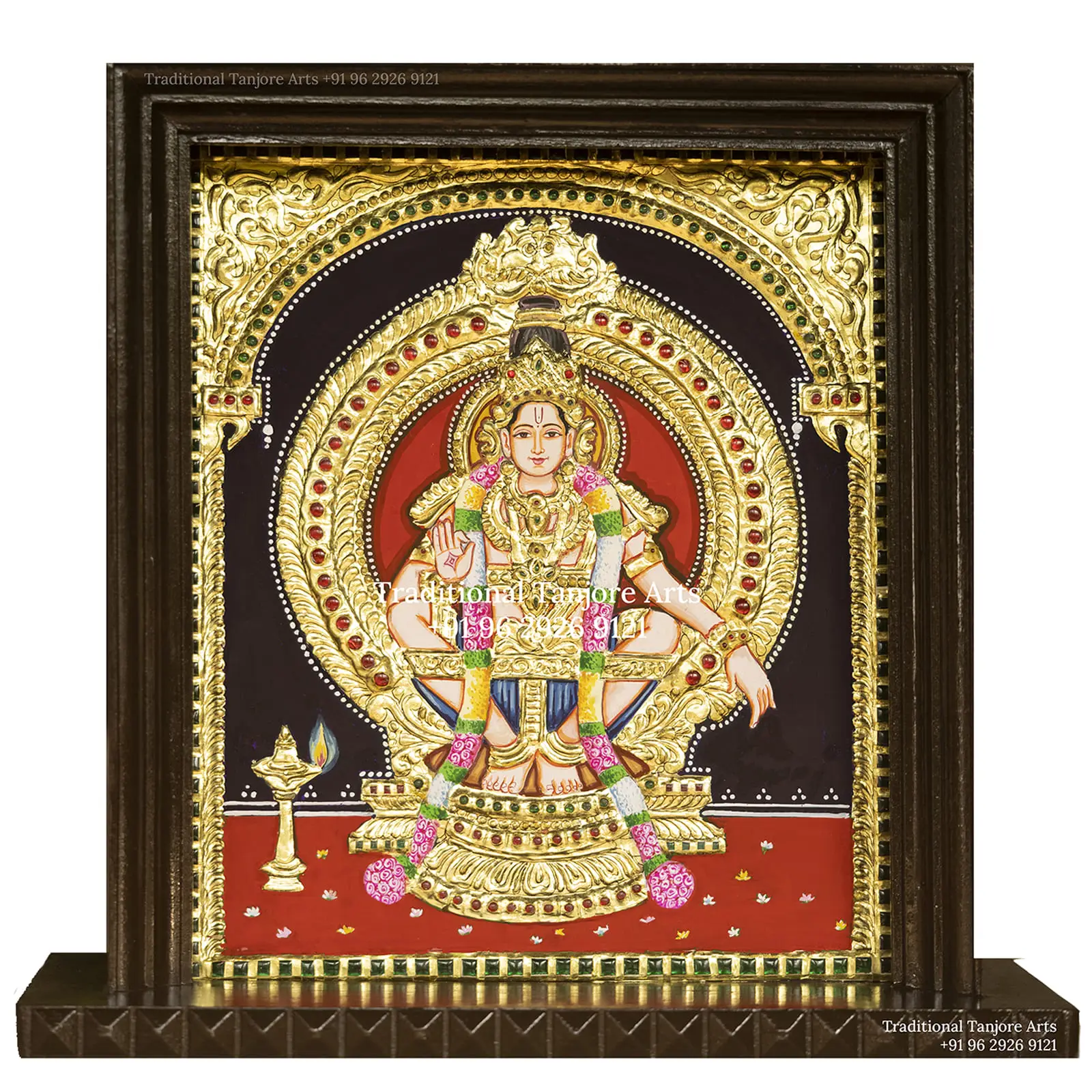
Tanjore paintings are one of India’s most treasured classical art forms, admired for their divine themes, radiant gold work, and intricate craftsmanship. Many people wonder: Why are Tanjore paintings expensive compared to regular wall art? The answer lies in the quality of materials, time-consuming craftsmanship, traditional techniques, and cultural heritage that make every Tanjore painting a masterpiece.
Let’s break down the major reasons why Tanjore paintings command a premium price.
1. Use of Genuine 22-Carat Gold Foil
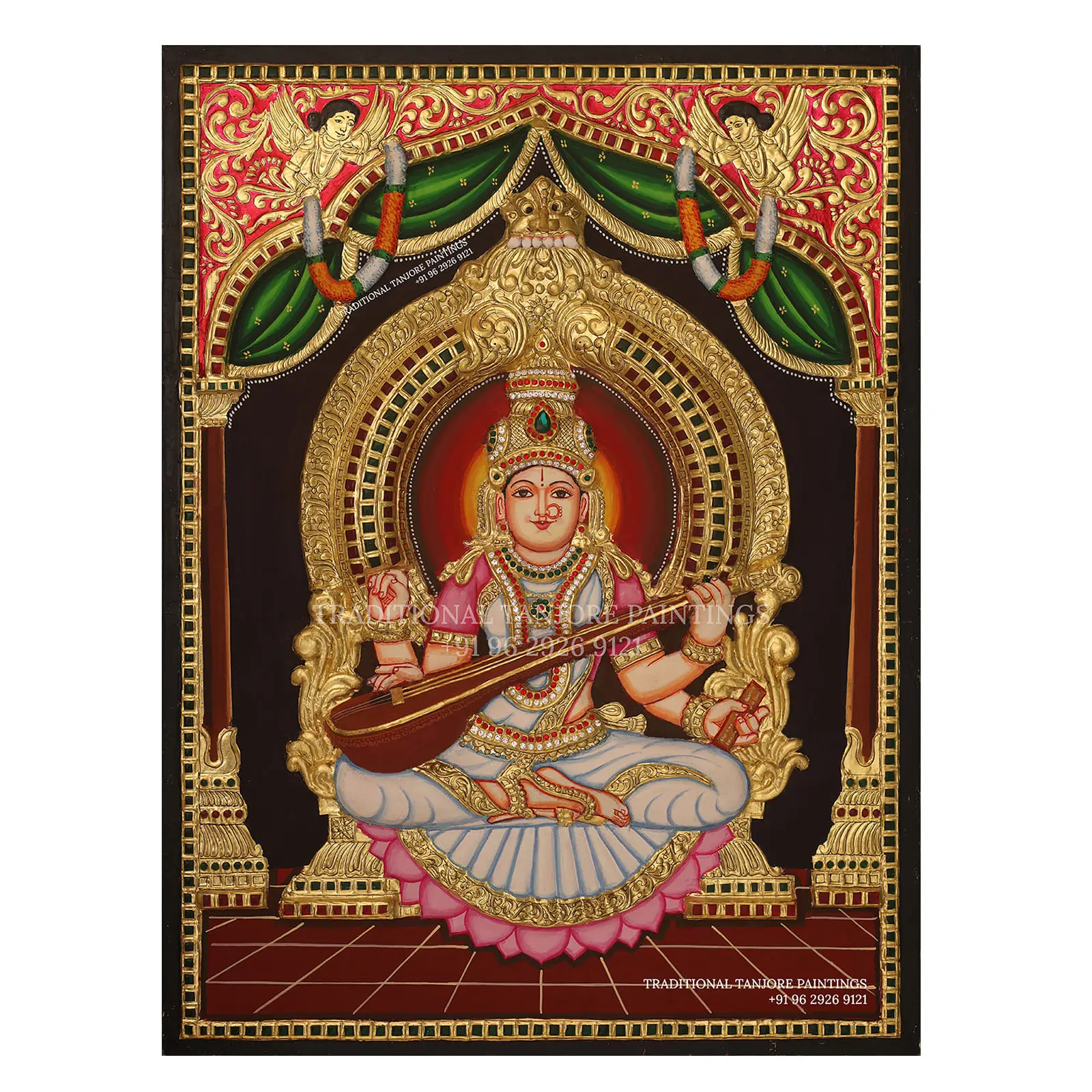
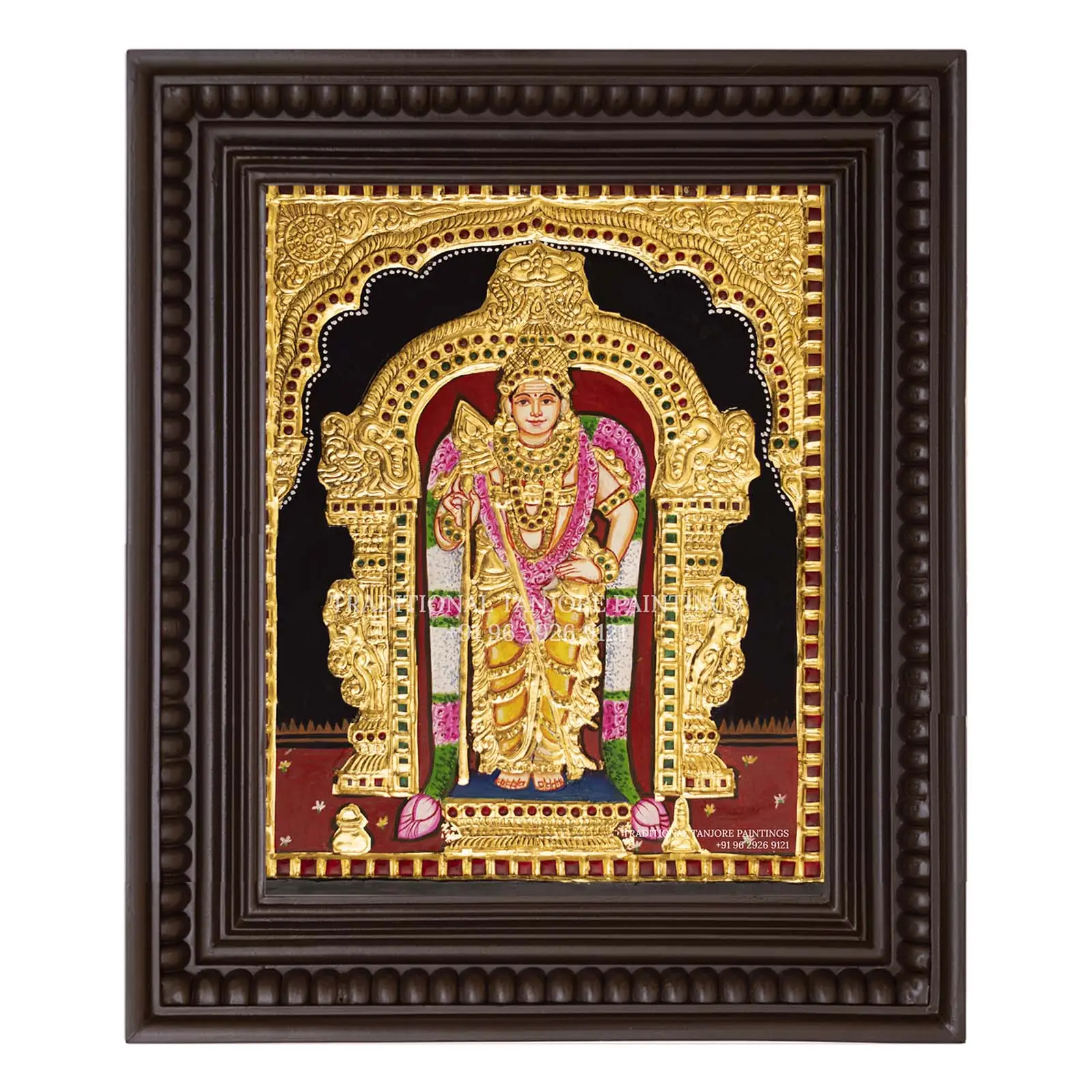
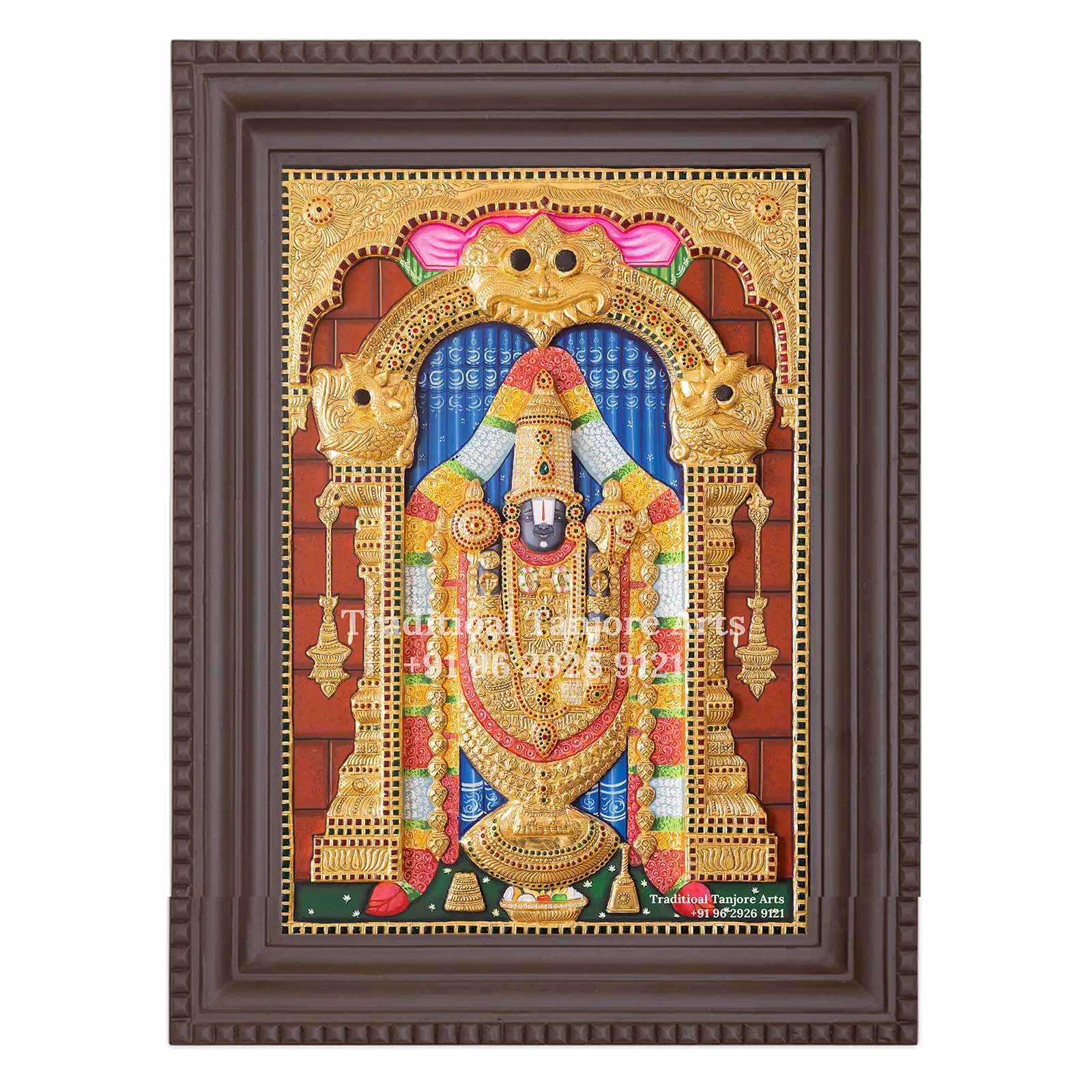
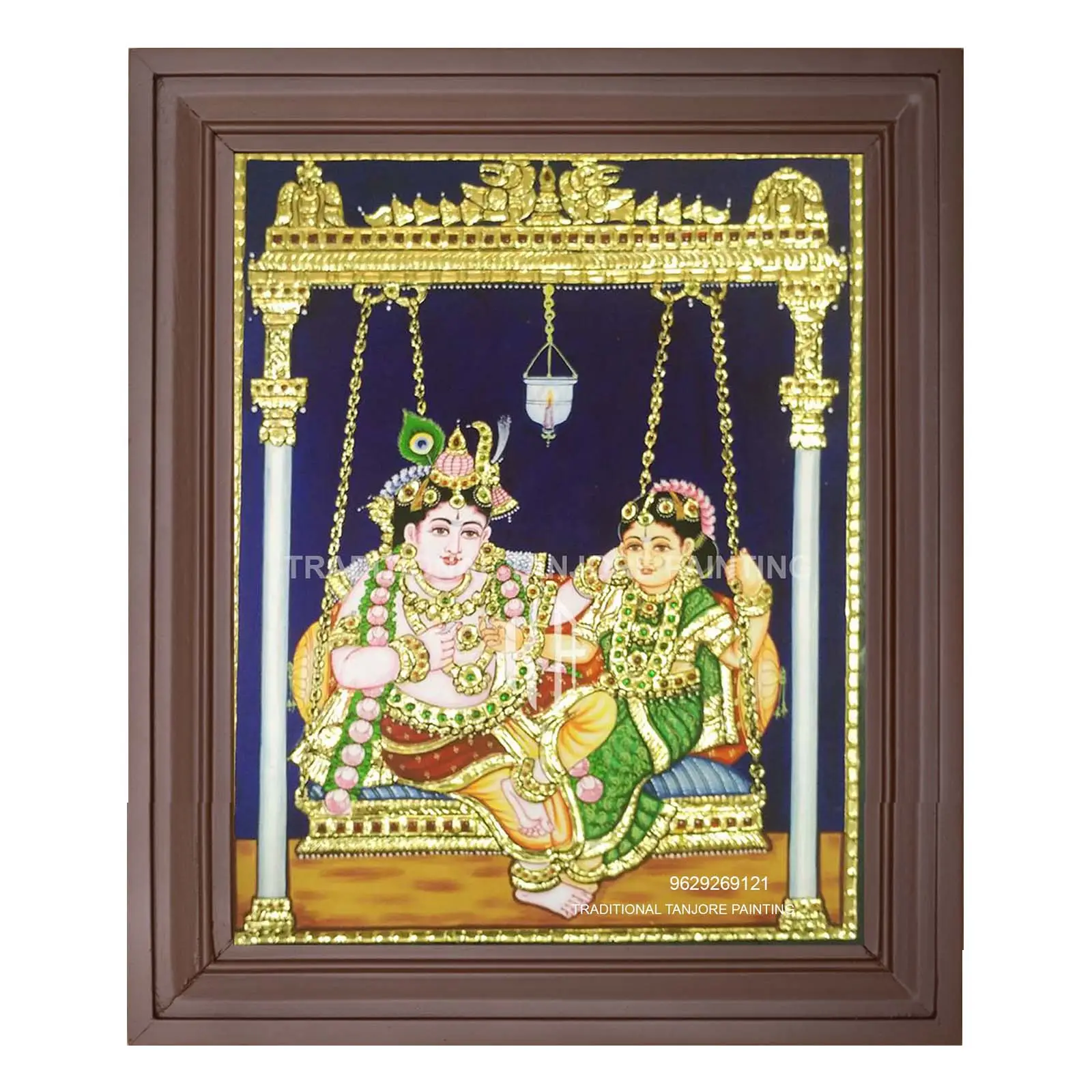
Unlike regular wall art that uses printed or synthetic gold effects, authentic Tanjore paintings use real 22-carat gold foil. This gold sheet is carefully embossed and hand-applied to the artwork, giving the painting a glowing, timeless shine.
Gold foil alone significantly increases the cost because:
- It is real, pure gold (not imitation).
- It does not fade or tarnish over time.
- It enhances the spiritual aura and richness of the painting.
The gold work is one of the biggest factors that makes Tanjore art more valuable.
2. Handcrafted Emboss Work (Gesso Work)
Tanjore paintings are known for their beautiful 3D embossed effect called gesso work. Artists use a unique mixture of limestone, natural gum, and chalk powder to carefully build raised structures.
This embossing is fully handmade and takes several hours or even days to perfect. Regular wall art simply does not include this level of hand-sculpted detail.
3. Rare & Skilled Craftsmanship
Creating a Tanjore painting requires:
- Years of training
- Deep knowledge of traditional methods
- Precision handwork
- Ability to create divine expressions and symmetry
Only a limited number of skilled Tanjore artists remain today. Their craftsmanship is rare—and rarity always increases value.
4. Time-Intensive Creation Process
A single small-sized Tanjore painting can take:
- 40–100 hours for basic designs
- 100–300 hours for complex paintings
Large paintings with high emboss, intricate jewellery, and detailed backgrounds take months to complete.
Regular wall art, on the other hand, may be:
- Digital prints
- Factory-made posters
- Mass-produced canvas prints
These take minutes or hours—not weeks.
5. Premium Natural Materials
Authentic Tanjore paintings use:
- Pure gold foil
- Hand-carved wooden boards
- Natural dyes & vegetable colours
- Teak wood frames
- Semi-precious stones
Each material adds durability and value. Regular wall art often uses synthetic colors, MDF boards, or digital printing.
6. Cultural & Historical Significance
Originating from the Chola period in Tamil Nadu, Tanjore paintings are more than art—they are cultural heirlooms. Collectors and homeowners purchase them not only for decoration but also for:
- Vastu benefits
- Spiritual ambience
- Traditional heritage
This cultural depth gives Tanjore paintings a value that regular wall art cannot match.
7. Longevity That Lasts for Generations
A genuine Tanjore painting can last hundreds of years when properly maintained.
Real gold foil does not fade, and the wooden base stays strong for decades. Many households pass Tanjore artworks across generations as family heirlooms.
Regular wall art fades, peels, or gets damaged within a few years.
Conclusion
Tanjore paintings are expensive because they are:
✔ Made with real 22-carat gold
✔ Fully handcrafted with skill and patience
✔ Rich in cultural and spiritual meaning
✔ Created using premium, long-lasting materials
✔ Rare and labor-intensive
When you invest in an authentic Tanjore painting, you’re not just buying artwork—you are preserving a piece of Indian heritage that carries beauty, value, and divine grace for generations.