What Is a Tanjore Painting and Why Is It Special?
Tanjore painting, also known as Thanjavur painting, is one of India’s most celebrated classical art forms. Originating from Tamil Nadu, this traditional art is admired for its rich colors, glowing gold work, and divine themes. Many art lovers and home décor buyers often ask: what is a Tanjore painting and why is it special? The answer lies in its history, craftsmanship, materials, and spiritual significance.
What Is a Tanjore Painting?
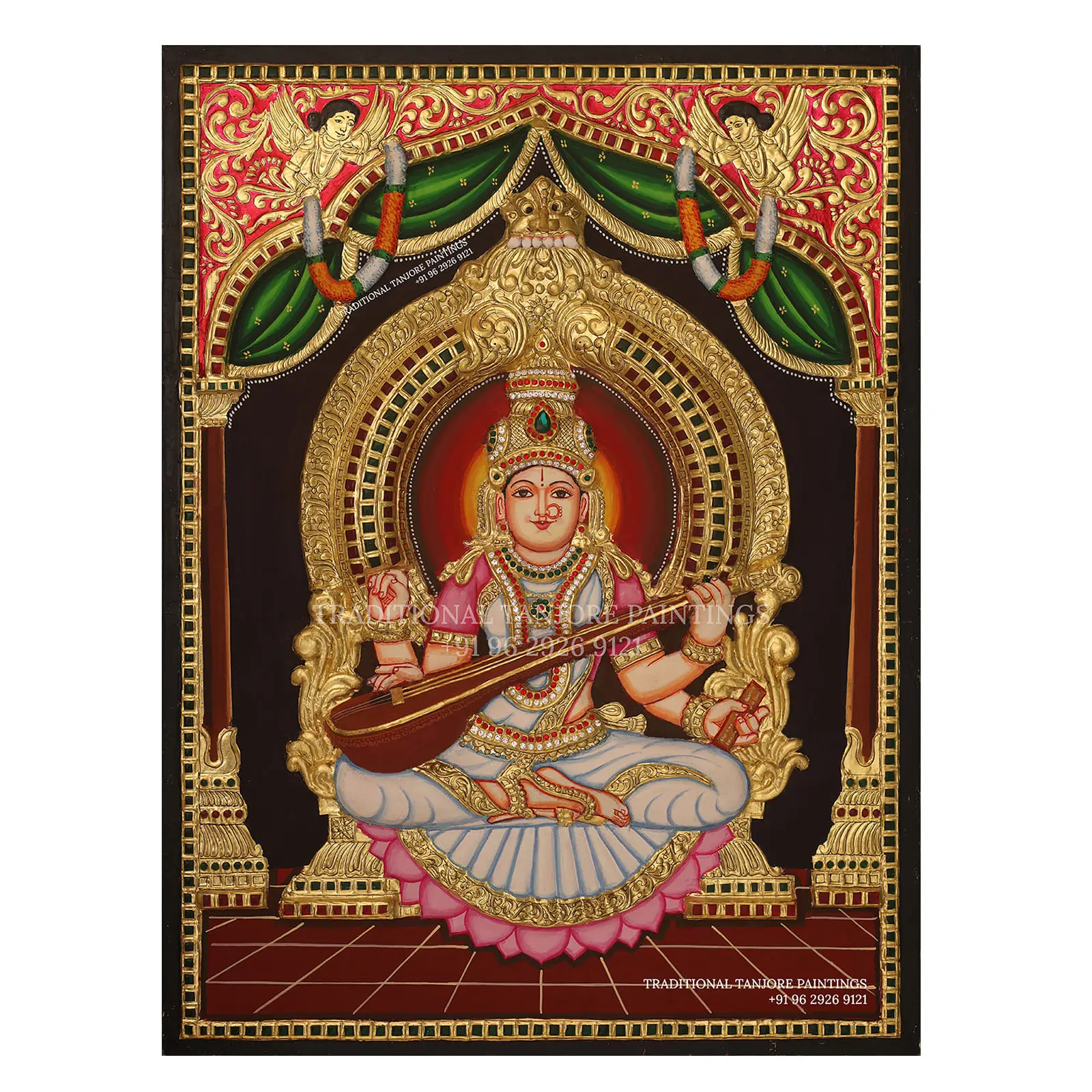
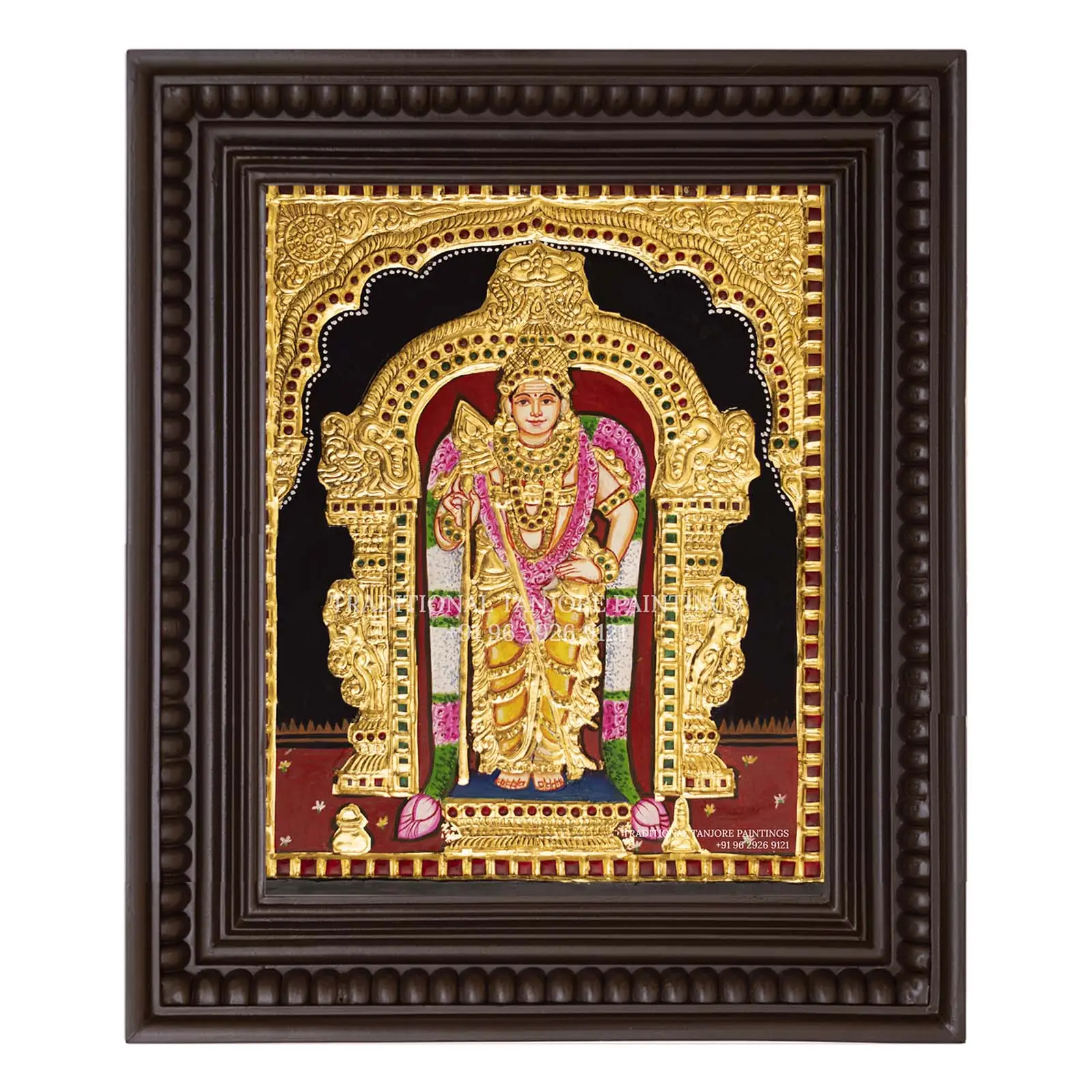
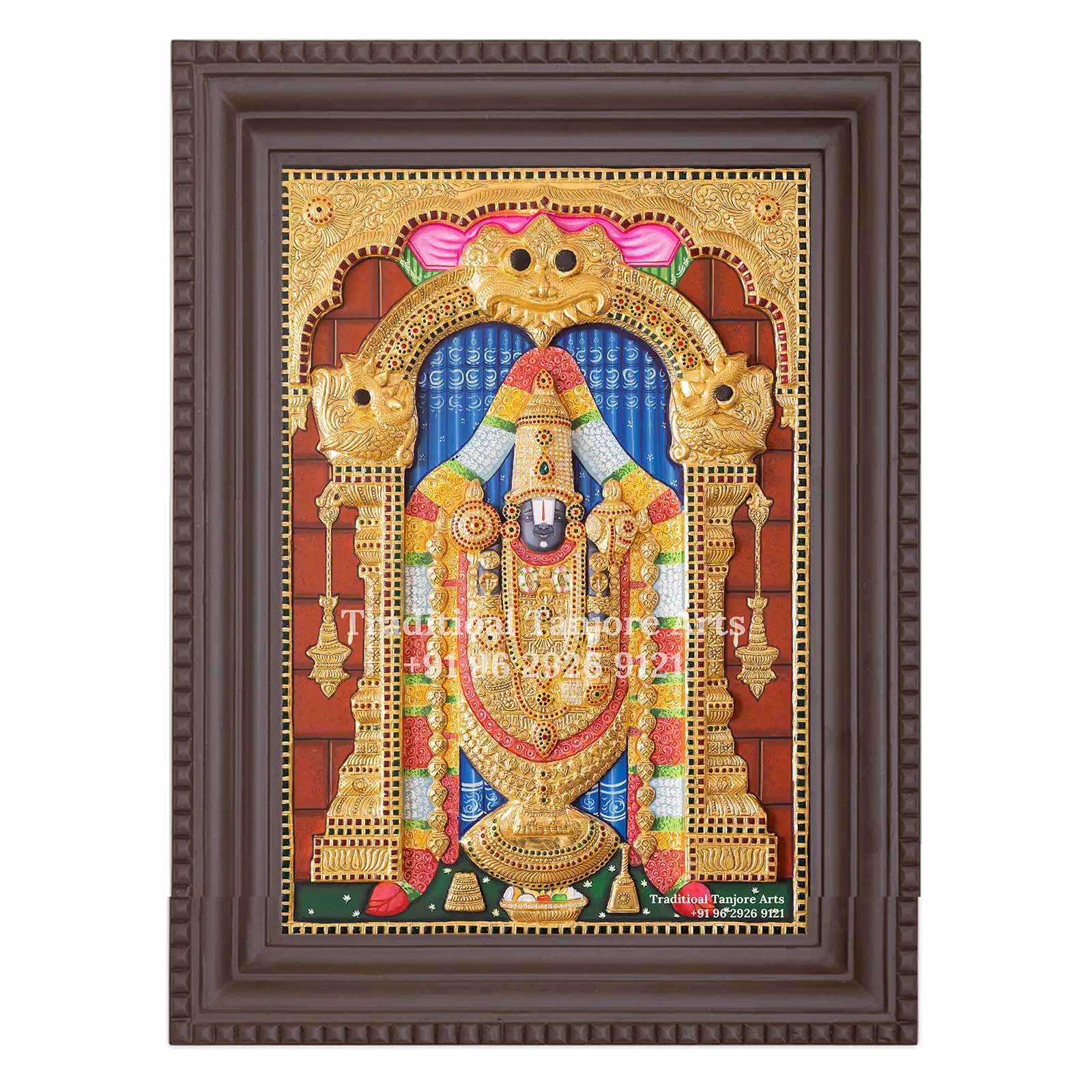
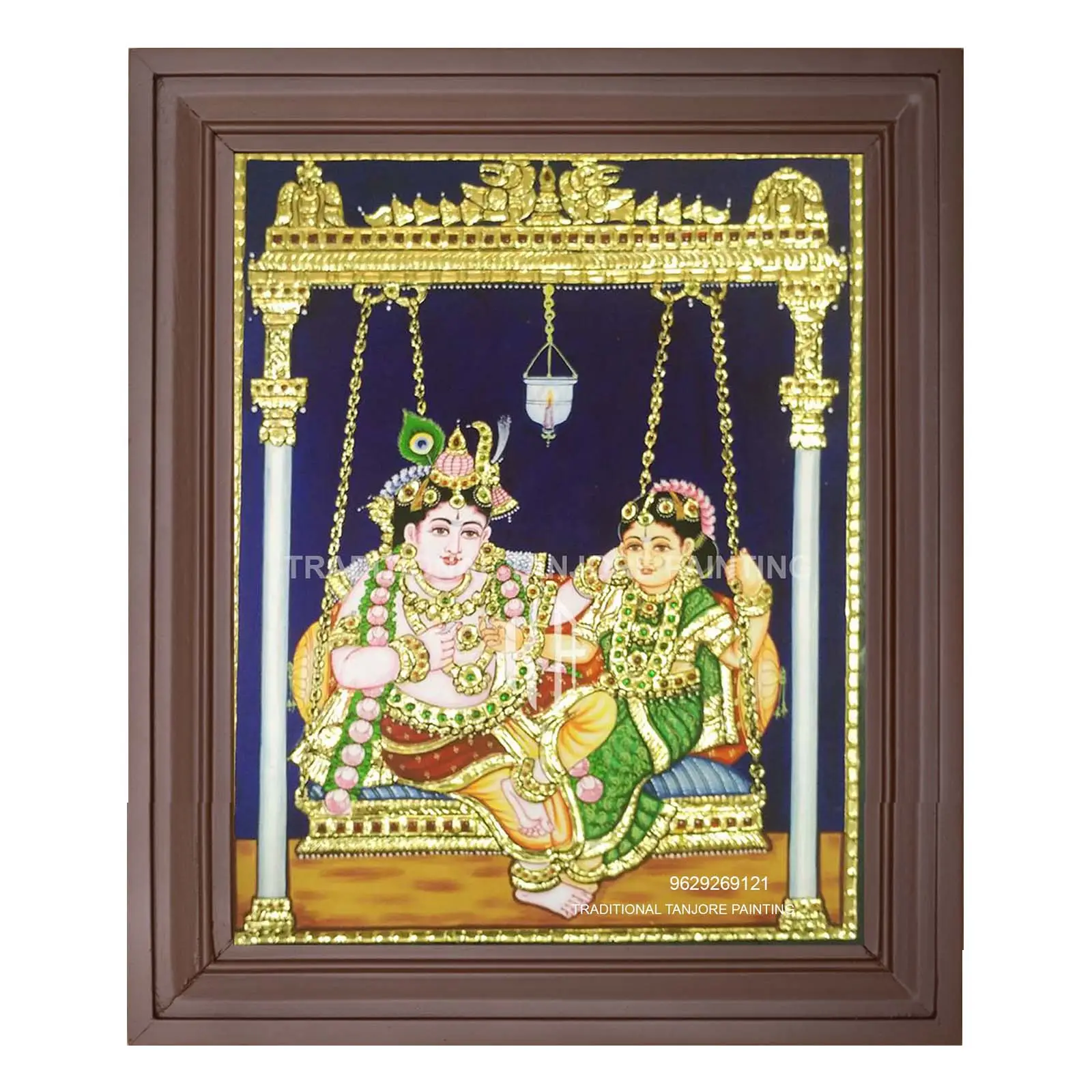
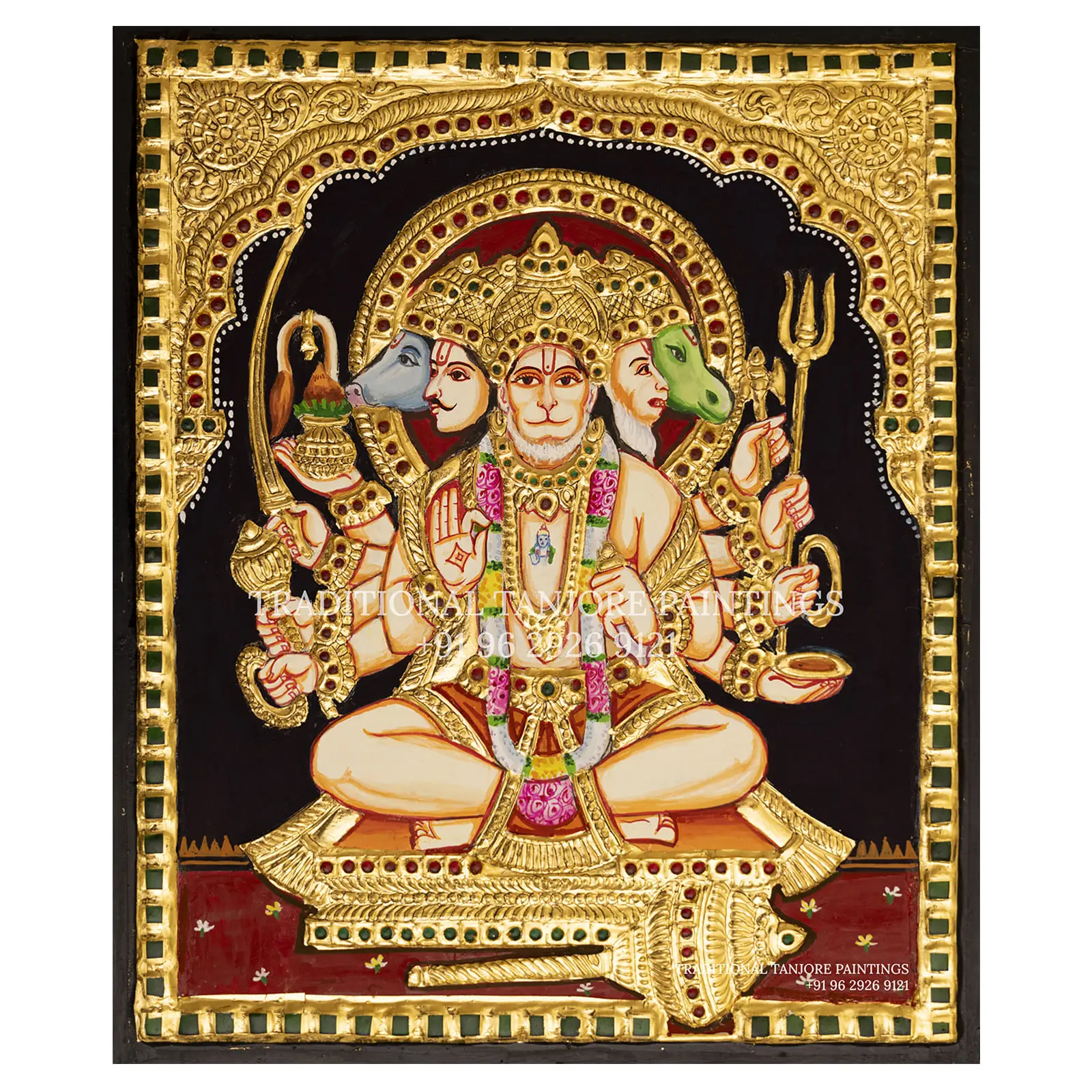
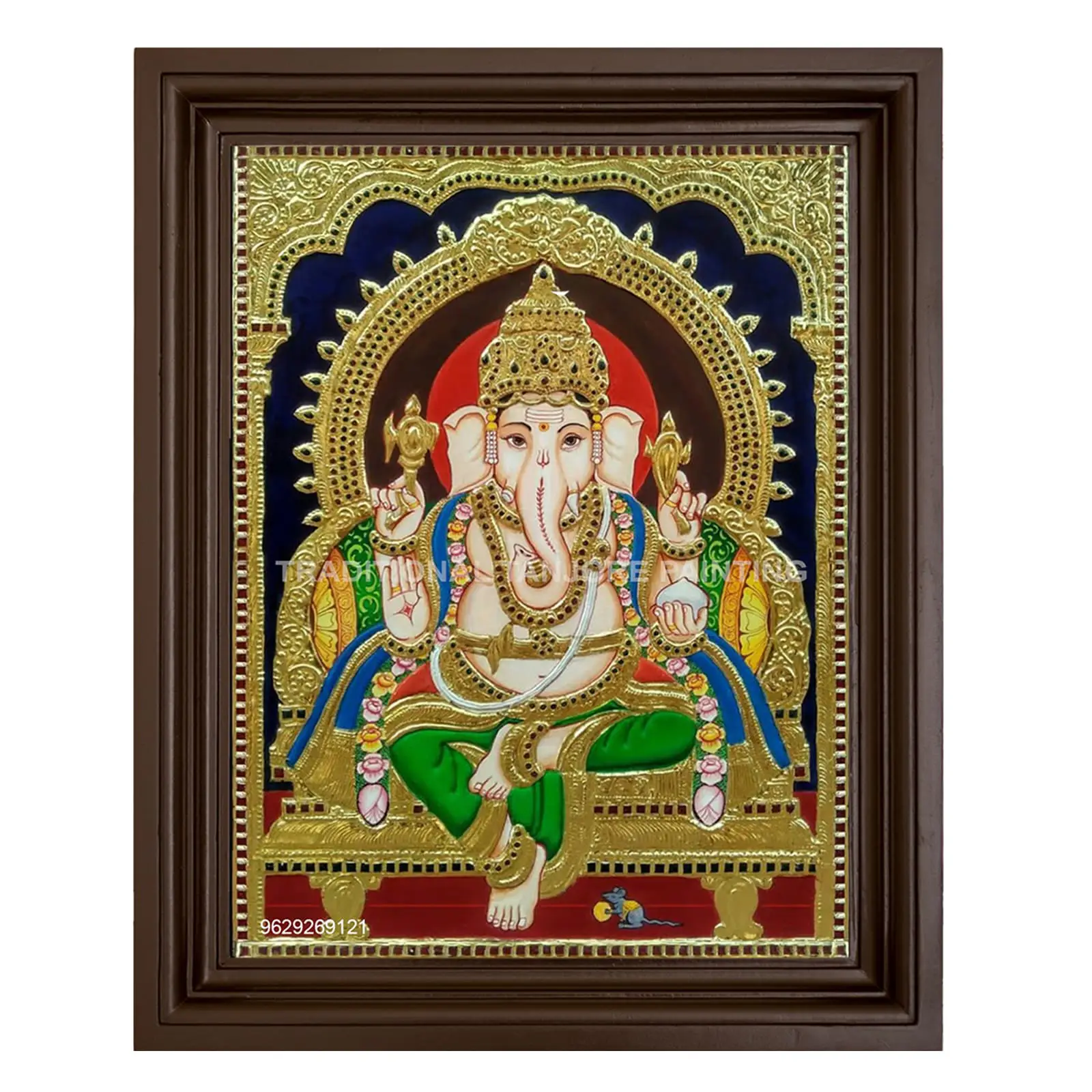
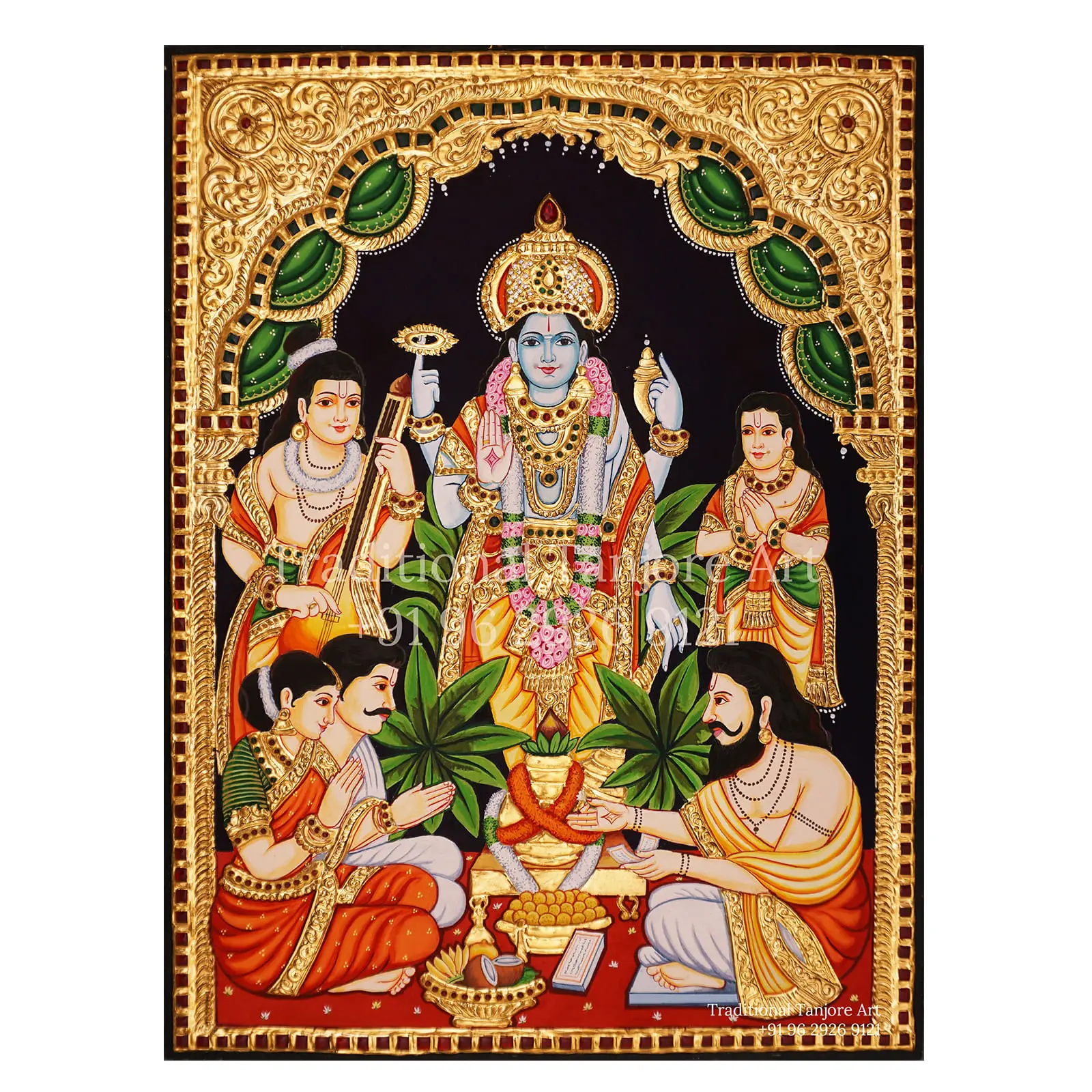
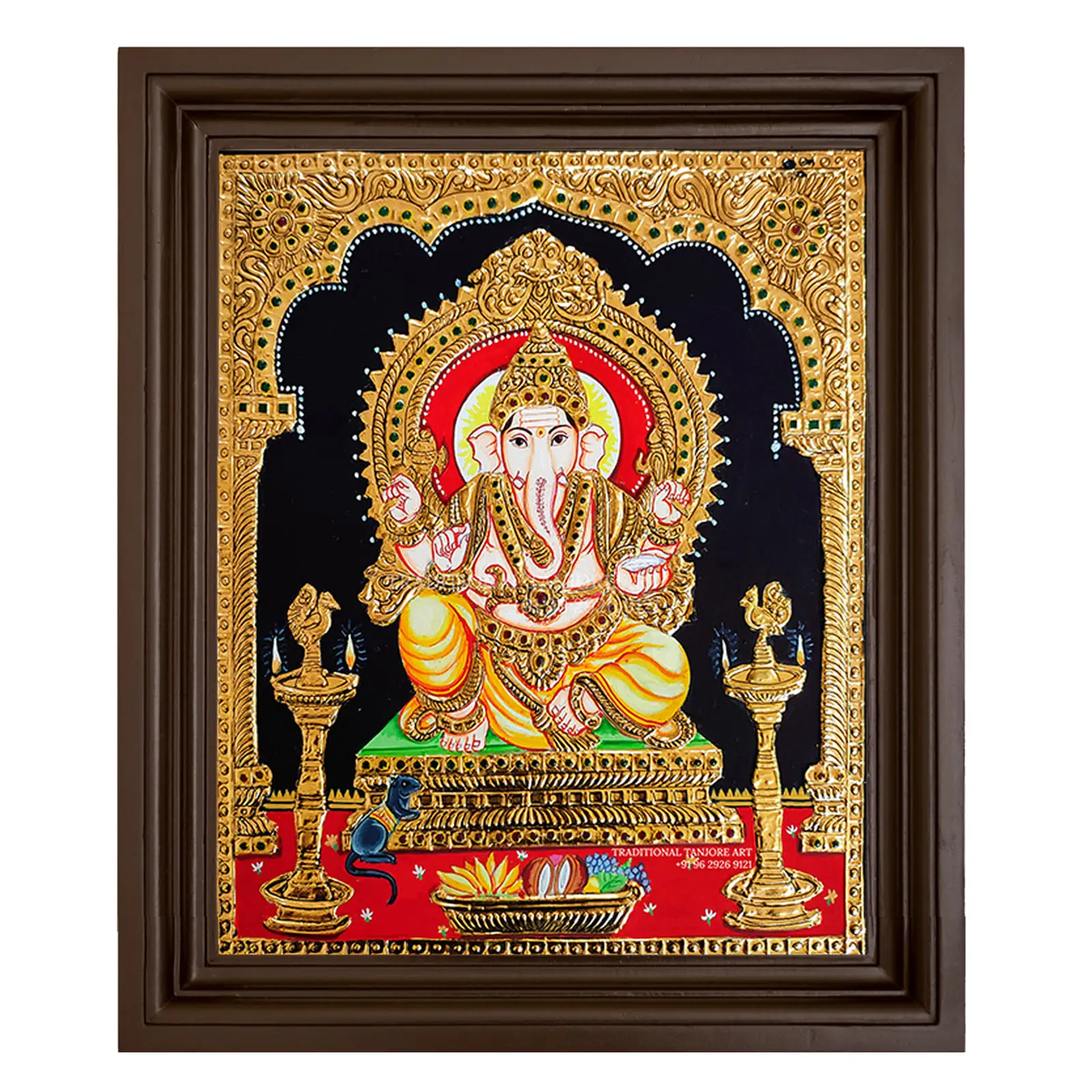
A Tanjore painting is a traditional South Indian devotional artwork that typically depicts Hindu gods and goddesses such as Ganesha, Lakshmi, Krishna, Balaji, Murugan, and Saraswati. These paintings are created on wooden boards and are known for their raised 3D effect, intricate detailing, and the use of real 22-carat gold foil.
Unlike modern wall art or printed canvases, Tanjore paintings are entirely handmade, following techniques passed down through generations of artisans.
Why Is Tanjore Painting Special?
1. Use of Real 22-Carat Gold Foil
One of the most defining features of Tanjore paintings is the use of pure 22-carat gold foil. This gold is carefully embossed and applied to highlight ornaments, crowns, arches, and jewellery in the artwork.
What makes it special:
- Gold never fades or tarnishes
- Gives a radiant, divine glow
- Enhances spiritual and aesthetic value
This alone sets Tanjore paintings apart from regular wall art.
2. Unique 3D Embossed Work (Gesso Technique)
Tanjore paintings are known for their raised relief work, created using a traditional mixture of chalk powder, limestone, and natural adhesive. This embossing gives the painting depth and texture, making it visually striking.
Each layer of embossing is done by hand and allowed to dry before gold foil is applied—making the process time-intensive and highly skilled.
3. Rich Natural Colors and Traditional Materials
Authentic Tanjore paintings use:
- Natural and poster colors
- Wooden boards (ply or teak base)
- Teak wood frames
- Semi-precious stones (in premium artworks)
These materials ensure durability and longevity. Many original Tanjore paintings last hundreds of years when maintained properly.
4. Deep Spiritual and Vastu Significance
Tanjore paintings are not just decorative pieces—they are spiritual symbols. Many people place them in pooja rooms, living rooms, or main entrances because they are believed to bring:
- Prosperity
- Peace
- Positive energy
- Divine blessings
This spiritual association makes them highly valued in Indian households.
5. Rich Cultural and Historical Heritage
Tanjore paintings originated during the Chola dynasty and flourished under the Nayak and Maratha rulers of Thanjavur. They were traditionally patronized by kings and temples, making them a royal art form.
Owning a Tanjore painting is like owning a piece of India’s cultural history.
6. Rare Handcrafted Art Form
Today, only a limited number of skilled artisans practice authentic Tanjore painting. Each artwork requires:
- Weeks of effort
- Years of training
- Exceptional attention to detail
This rarity adds to its value and uniqueness.
How Is a Tanjore Painting Different from Regular Wall Art?
| Feature | Tanjore Painting | Regular Wall Art |
|---|---|---|
| Gold Work | Real 22k gold | Printed / synthetic |
| Craft | Handmade | Mass-produced |
| Texture | 3D embossed | Flat |
| Longevity | Generations | Few years |
| Value | Appreciates | Decorative only |
Conclusion
So, what is a Tanjore painting and why is it special?
It is special because it combines art, devotion, tradition, real gold, and skilled craftsmanship into a single timeless masterpiece. A Tanjore painting is not just wall décor—it is a cultural treasure and a spiritual heirloom.
Whether for home décor, gifting, or investment, authentic Tanjore paintings continue to hold unmatched value and beauty.