Why Are Tanjore Paintings So Expensive? The Real Reasons Explained
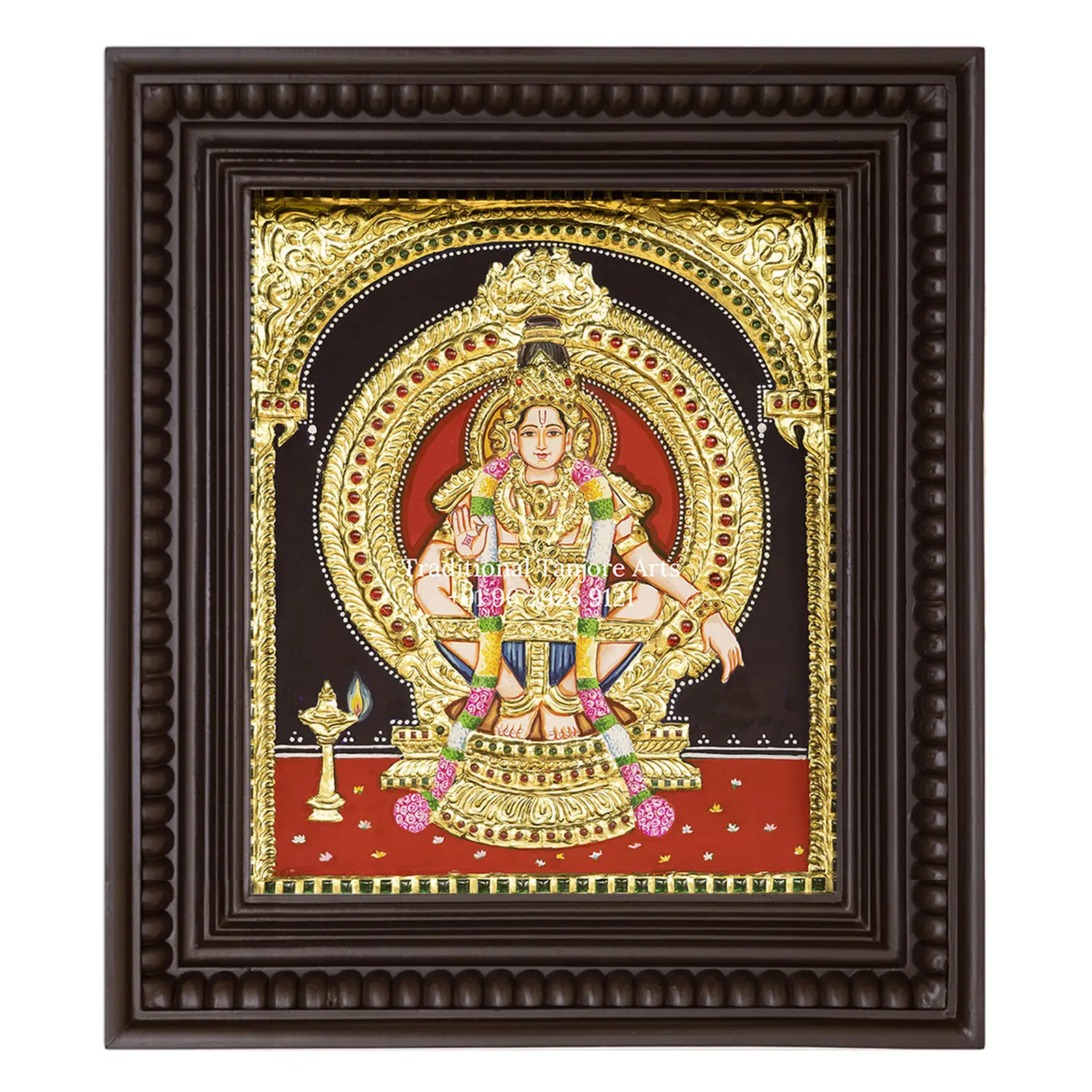
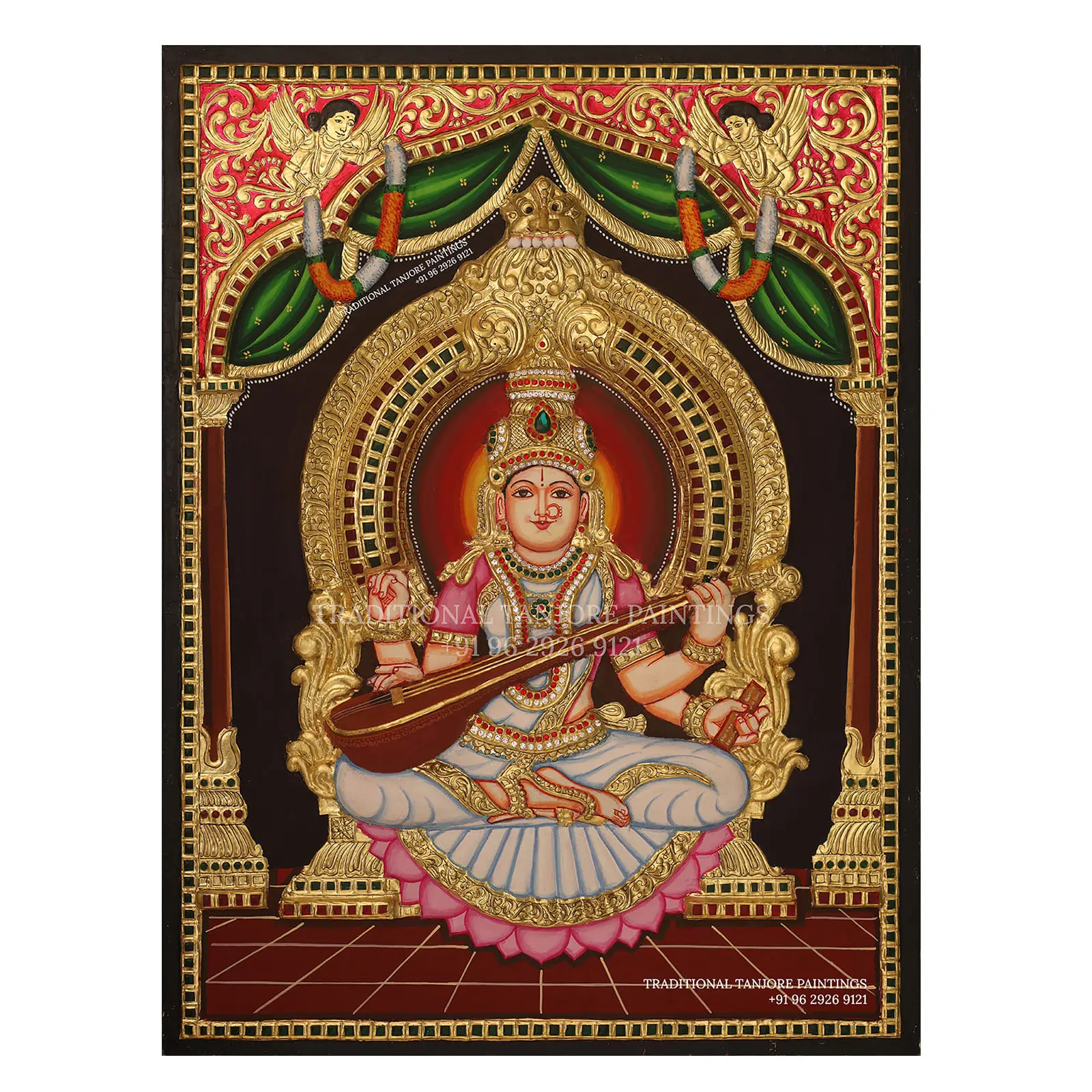
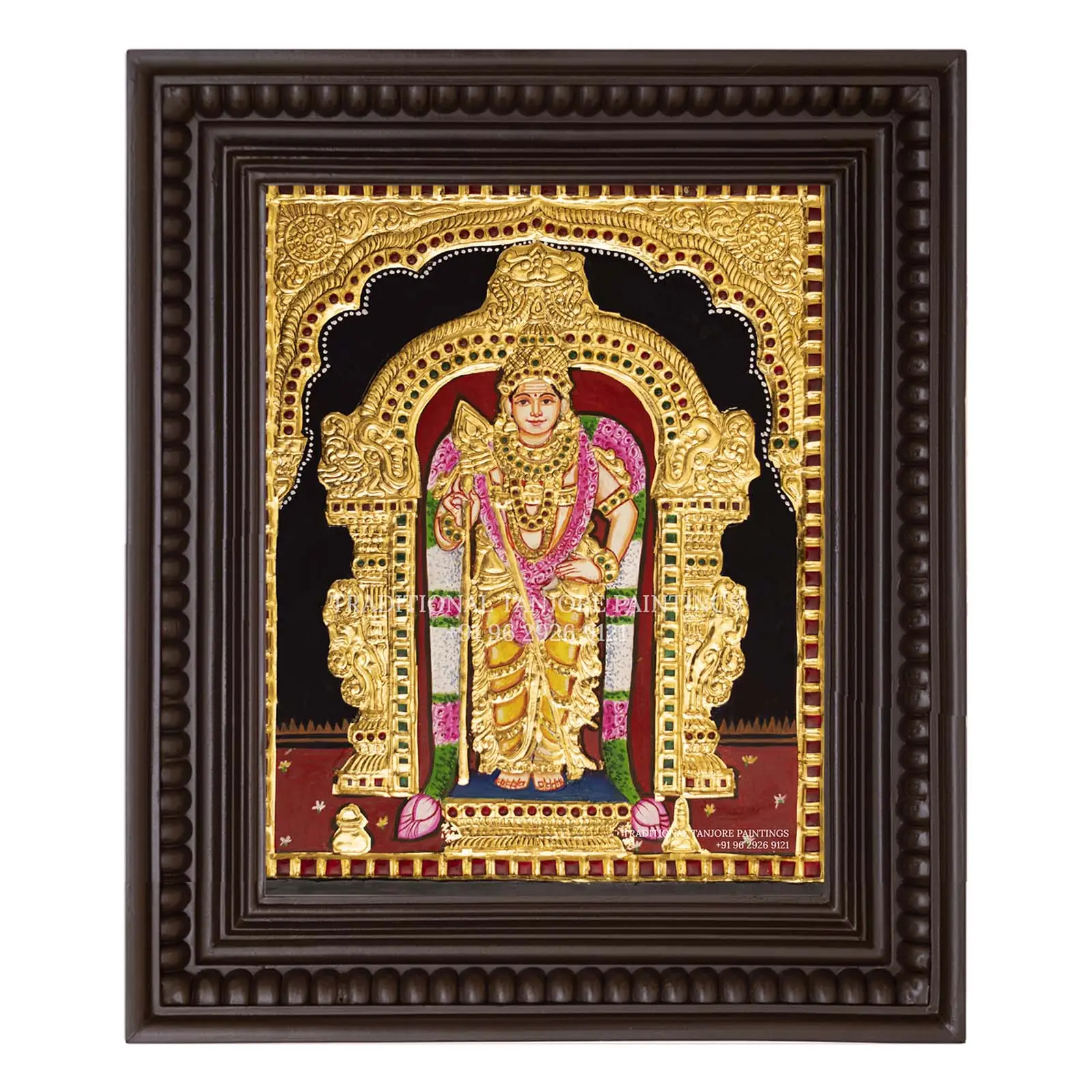
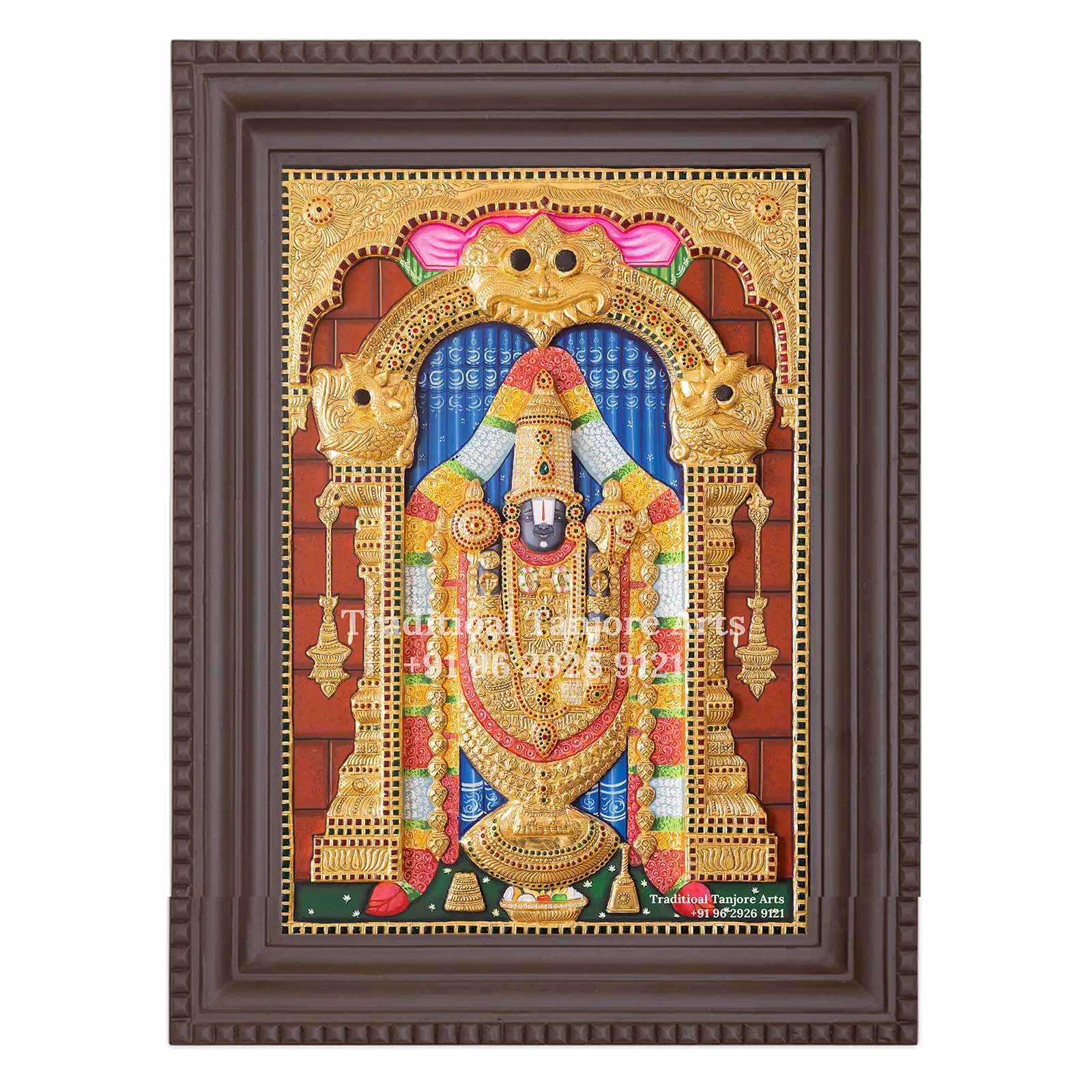
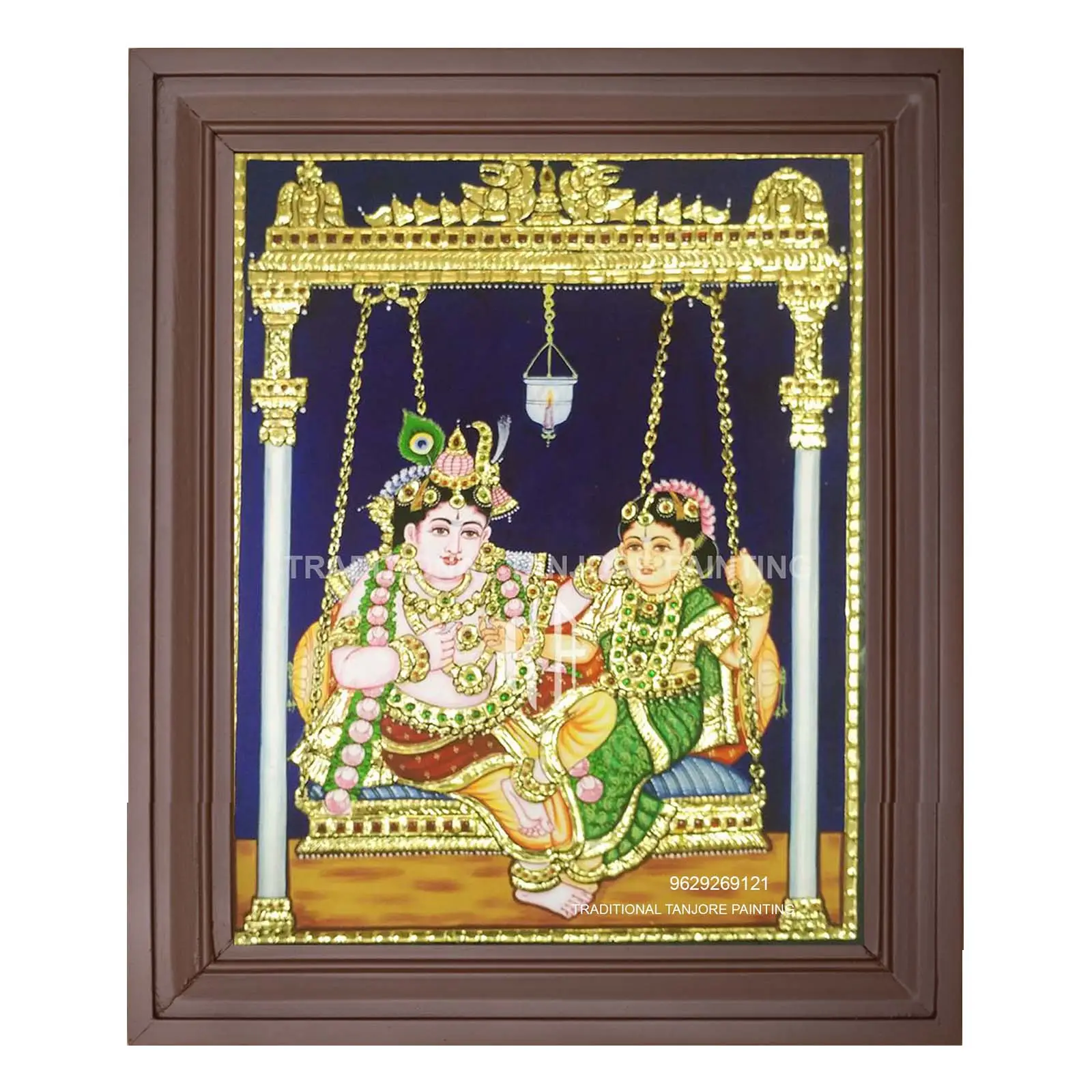
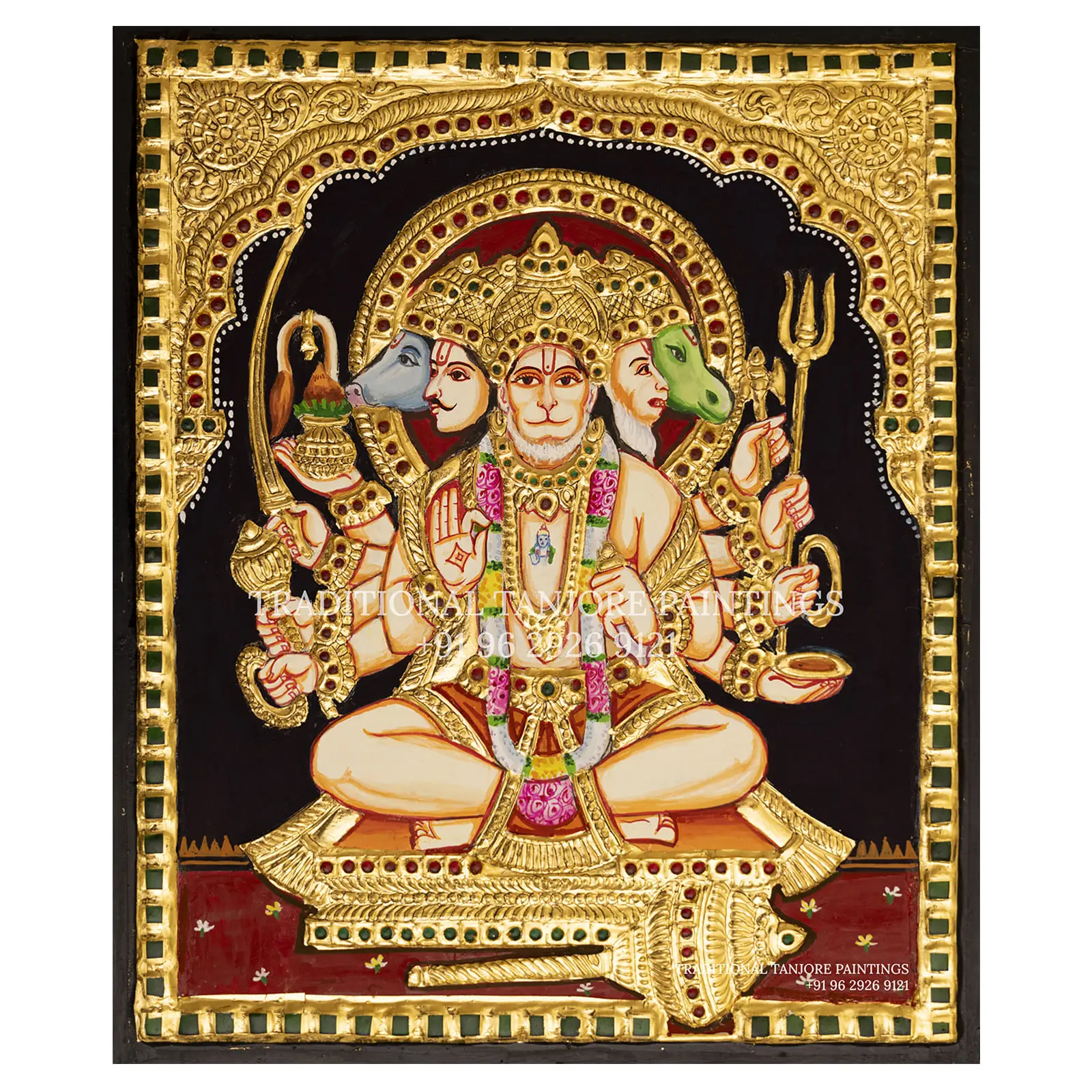
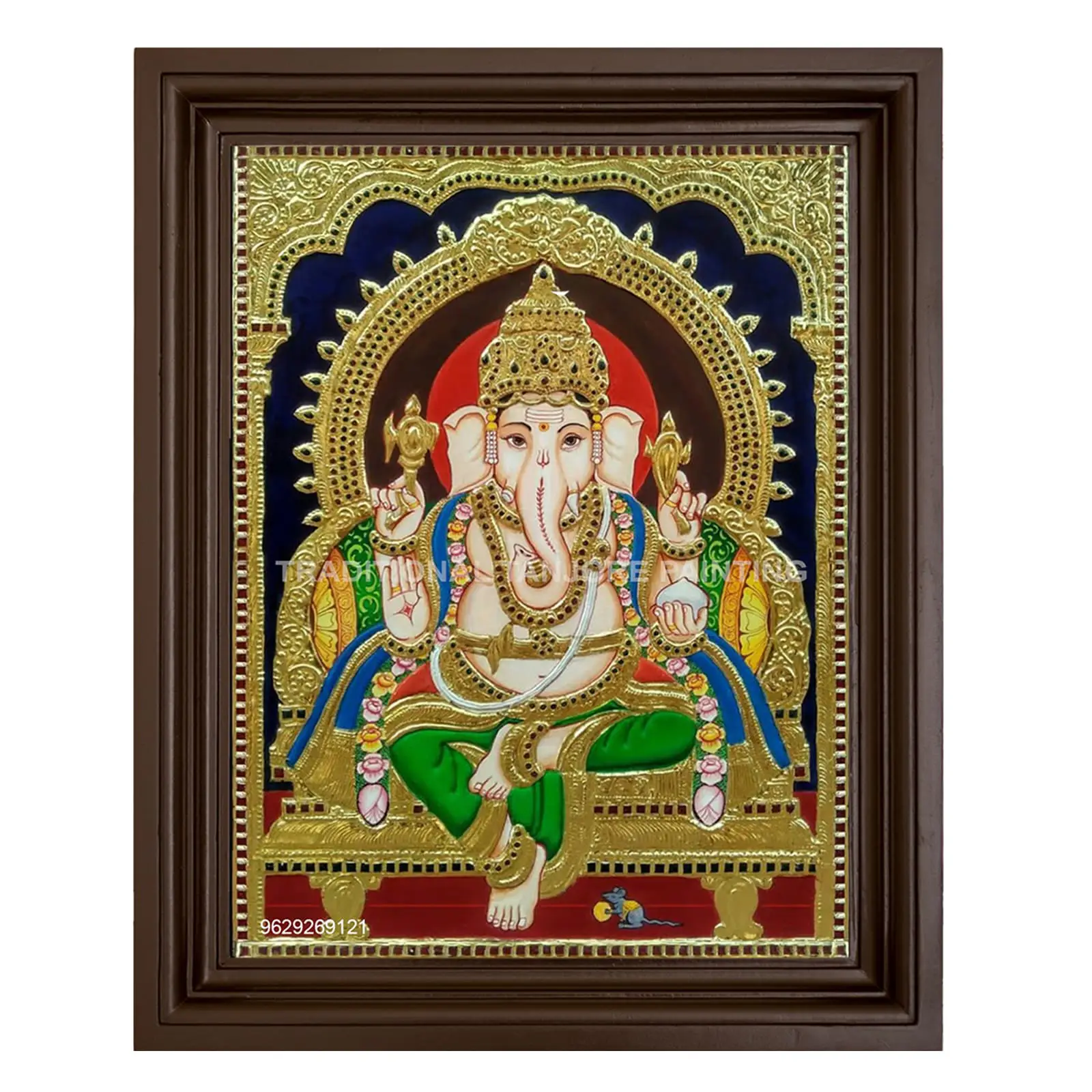
Tanjore paintings, also known as Thanjavur paintings, are admired worldwide for their divine beauty, rich gold work, and timeless elegance. When people first explore this traditional art form, one common question arises: why are Tanjore paintings so expensive?
The answer goes far beyond decoration. Tanjore paintings are not mass-produced wall art—they are handcrafted cultural treasures created using rare materials, skilled labor, and centuries-old techniques. Let’s explore the real reasons behind their high value.
1. Use of Genuine 22-Carat Gold Foil
One of the biggest reasons Tanjore paintings are expensive is the use of real 22-carat gold foil. Unlike regular wall art that uses printed or imitation gold, authentic Tanjore paintings feature pure gold sheets carefully applied by hand.
Why this matters:
- Real gold never fades or tarnishes
- It creates a radiant glow that lasts for generations
- Gold itself is a high-value material
The cost of gold alone contributes significantly to the final price of the artwork.
2. Completely Handcrafted Art (No Printing)
Every authentic Tanjore painting is 100% handmade. There is no digital printing, machine embossing, or factory replication involved.
Artists manually:
- Sketch the design
- Create raised emboss work
- Apply gold foil
- Paint intricate details
- Assemble and frame the artwork
This handcrafted process requires patience, precision, and years of training—making each painting unique.
3. Time-Consuming Creation Process
A single Tanjore painting can take several weeks to months to complete, depending on size and complexity.
The process includes:
- Preparing the wooden base
- Creating gesso emboss layers
- Drying time between stages
- Hand-applying gold foil
- Painting fine details and expressions
Regular wall art may take minutes or hours. Tanjore paintings take dozens or hundreds of hours, which justifies their cost.
4. Skilled and Rare Artisan Craftsmanship
Authentic Tanjore painting is a specialized skill passed down through generations. Today, only a limited number of trained artisans practice this art in its original form.
Because:
- Training takes years
- Skill cannot be automated
- Artisans are becoming rare
The value of their craftsmanship naturally increases.
5. Premium Traditional Materials
Original Tanjore paintings use only high-quality materials, such as:
- Wooden boards (not canvas)
- Natural or poster colors
- Limestone-based emboss mixture
- Teak wood frames
- Semi-precious stones (in premium pieces)
These materials ensure durability, longevity, and authenticity—unlike mass-produced décor items.
6. Rich Cultural & Spiritual Significance
Tanjore paintings originated during the Chola dynasty and were traditionally patronized by kings and temples. They usually depict Hindu deities like Ganesha, Lakshmi, Krishna, Balaji, and Murugan.
Because of this:
- They are considered auspicious
- Widely used in pooja rooms and entrances
- Believed to bring prosperity and positive energy
This cultural and spiritual depth adds immense intangible value.
7. Long-Term Value & Heirloom Quality
A genuine Tanjore painting can last hundreds of years if maintained properly. Many families pass them down as heirlooms.
Unlike regular wall art that fades or peels:
- Gold foil remains intact
- Wooden base stays strong
- Artwork retains its beauty
This longevity makes Tanjore paintings a long-term investment, not a short-term decoration.
8. Not Just Art — A Cultural Investment
People don’t buy Tanjore paintings only for decoration. They buy them for:
- Spiritual reasons
- Cultural pride
- Gifting on auspicious occasions
- Collecting traditional art
This emotional and cultural value plays a big role in pricing.
Conclusion
So, why are Tanjore paintings so expensive?
Because they are:
✔ Made with real 22-carat gold
✔ Fully handmade by skilled artisans
✔ Time-intensive and detail-rich
✔ Created using premium materials
✔ Rooted in centuries-old tradition
✔ Long-lasting and heirloom-worthy
A Tanjore painting is not just wall art—it is a piece of Indian heritage, devotion, and craftsmanship that deserves its value.