How Can I Identify an Original Tanjore Painting?
Tanjore paintings, also known as Thanjavur paintings, are treasured for their divine beauty, rich gold work, and traditional craftsmanship. However, with the rise of machine-made replicas and printed artworks, many buyers ask an important question: how can I identify an original Tanjore painting?
Knowing the difference between authentic and imitation artwork helps you invest in a genuine piece of heritage art. This guide explains the key features you should look for before purchasing a Tanjore painting.
1. Check for Real 22-Carat Gold Foil
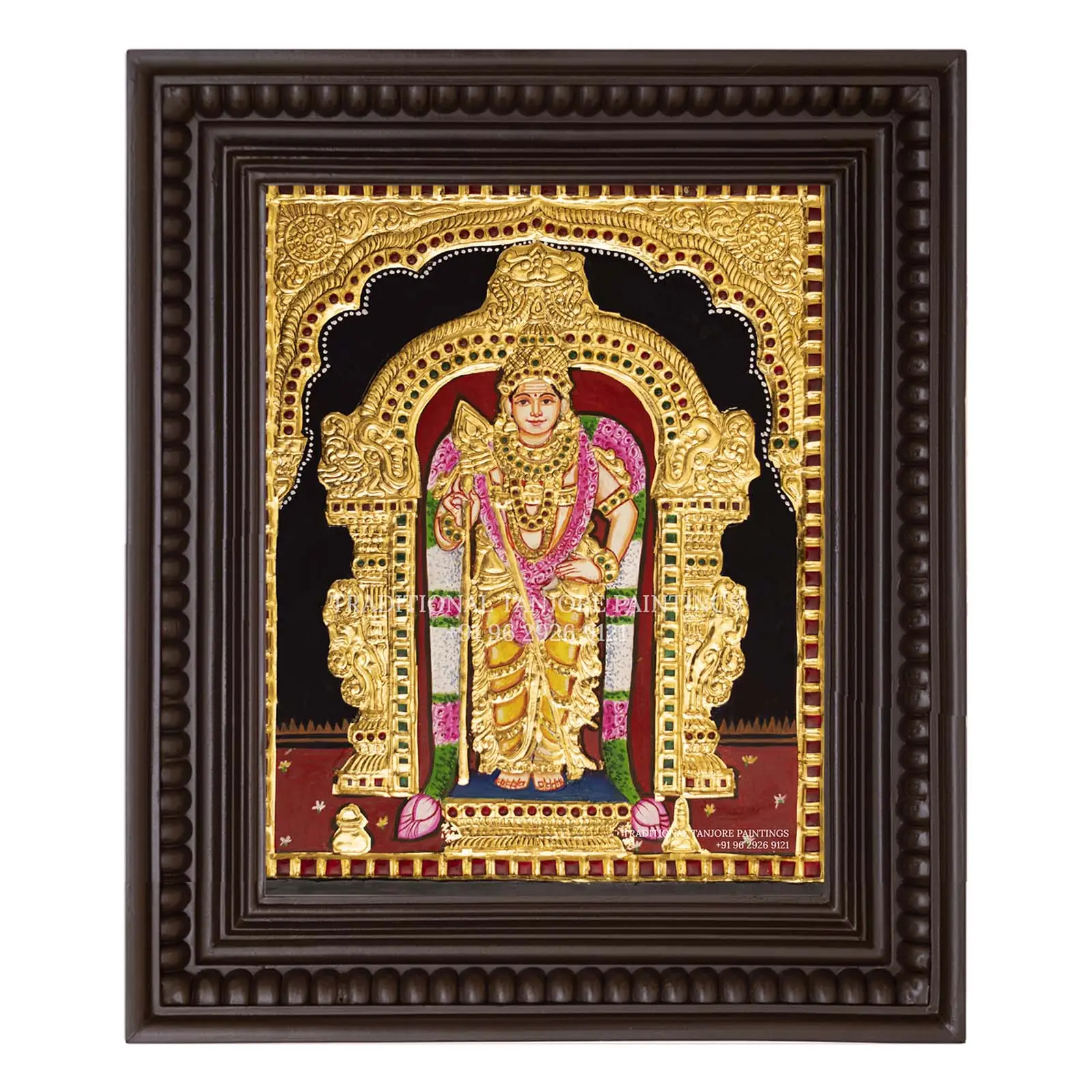
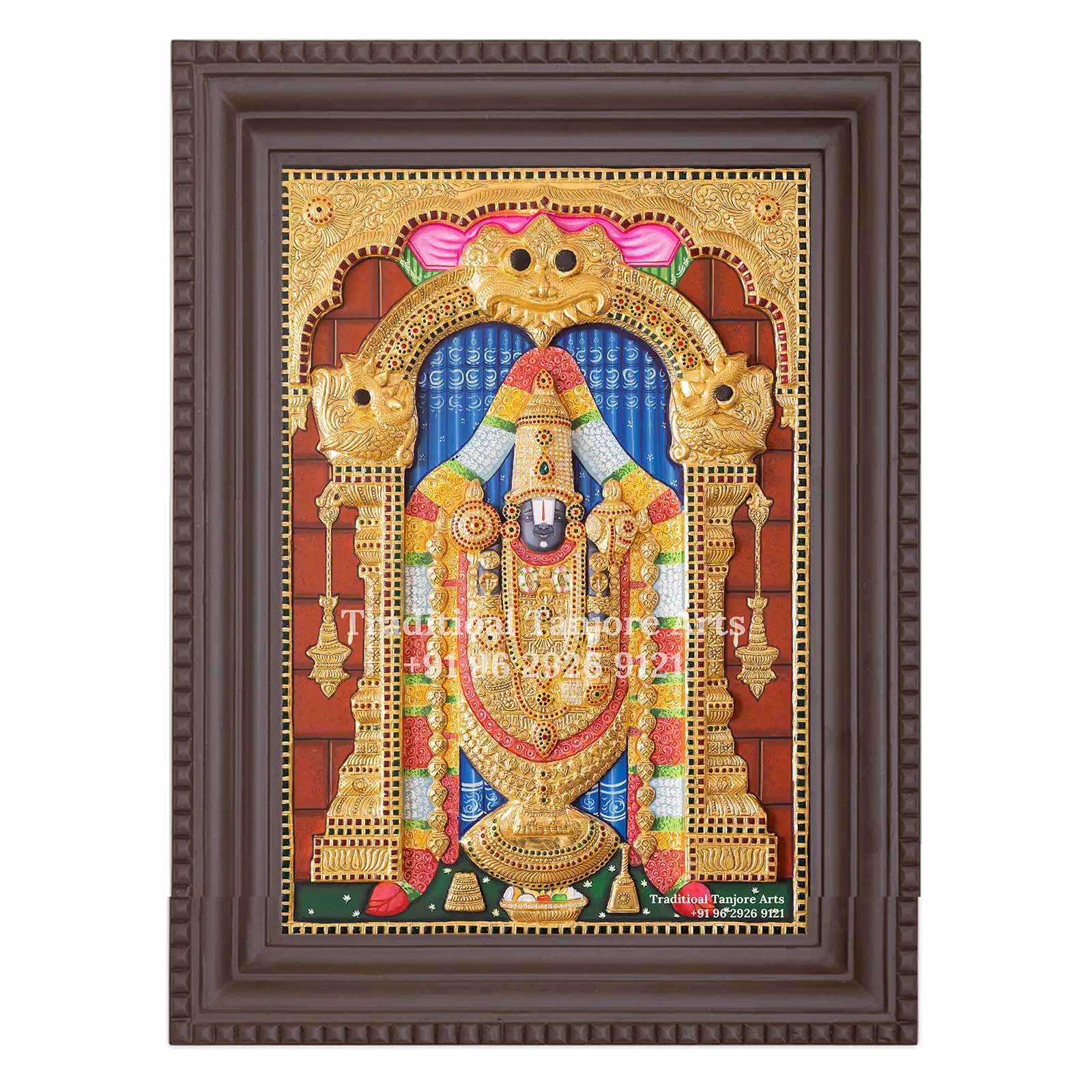
The most important hallmark of an original Tanjore painting is the use of real 22-carat gold foil.
How to identify it:
- Gold foil has a natural, warm glow (not overly shiny)
- It reflects light softly, not like plastic or glitter
- It does not peel, fade, or discolor over time
Fake Tanjore paintings often use gold-colored paper or foil sheets that lose shine within a few years.
2. Look for the 3D Embossed (Raised) Work
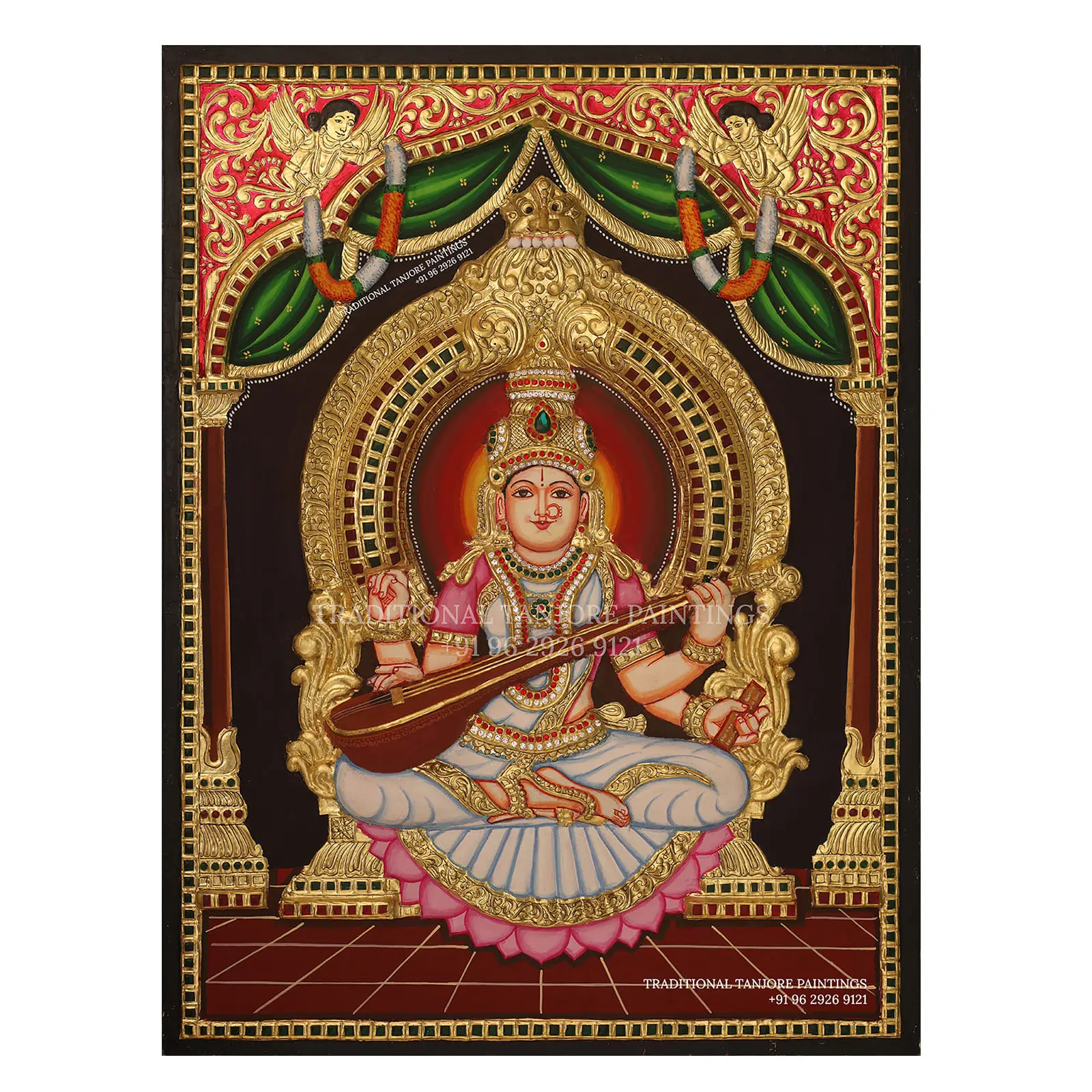
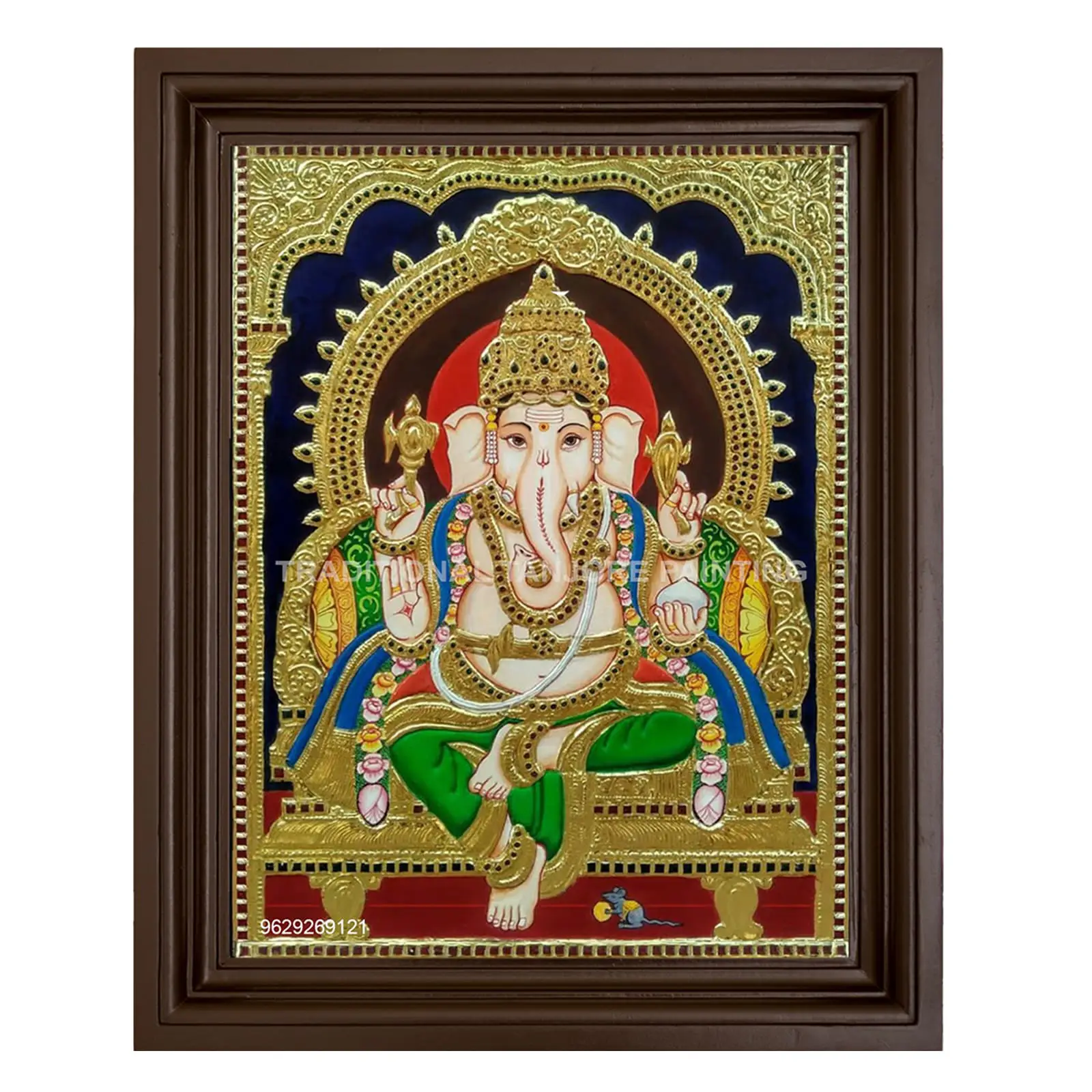
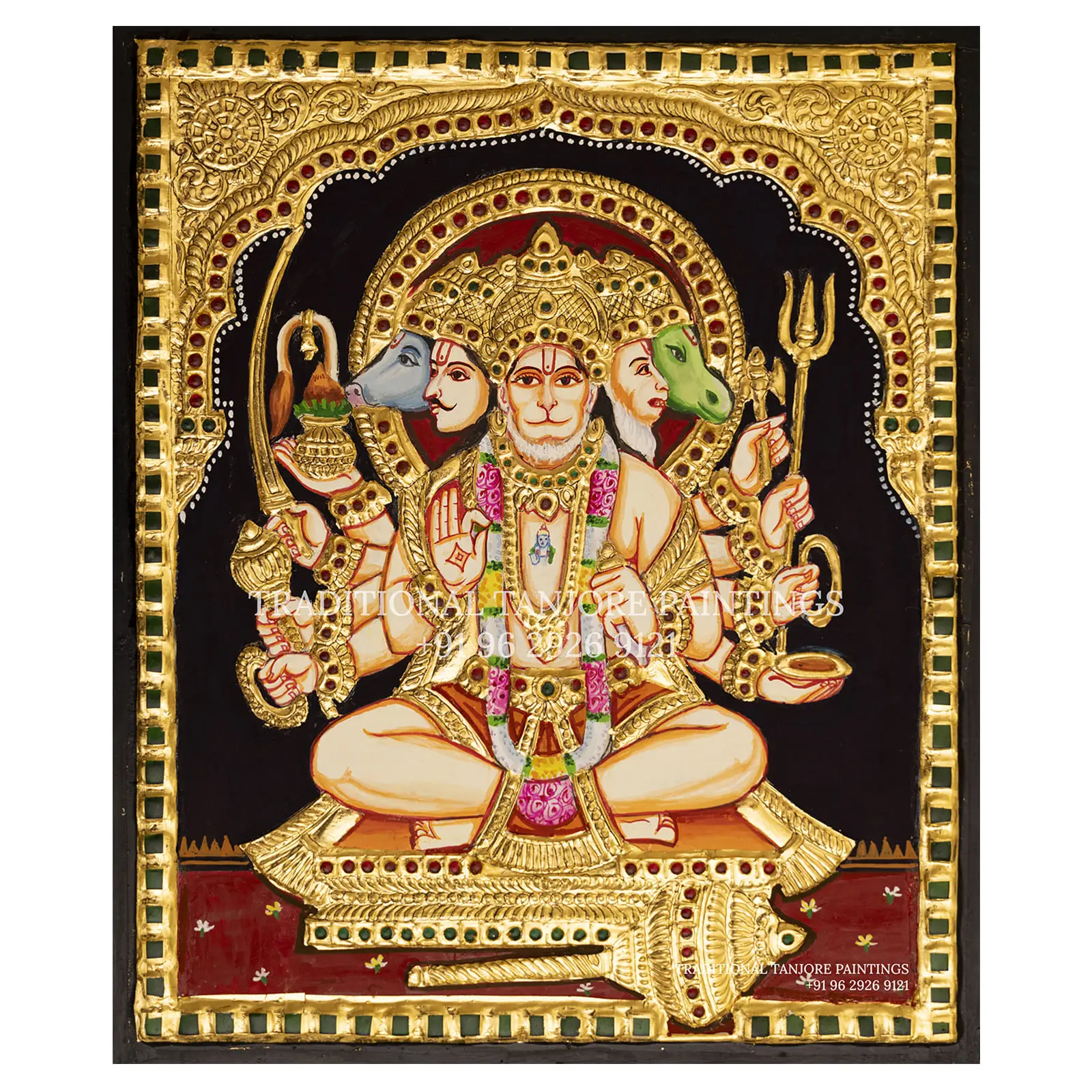
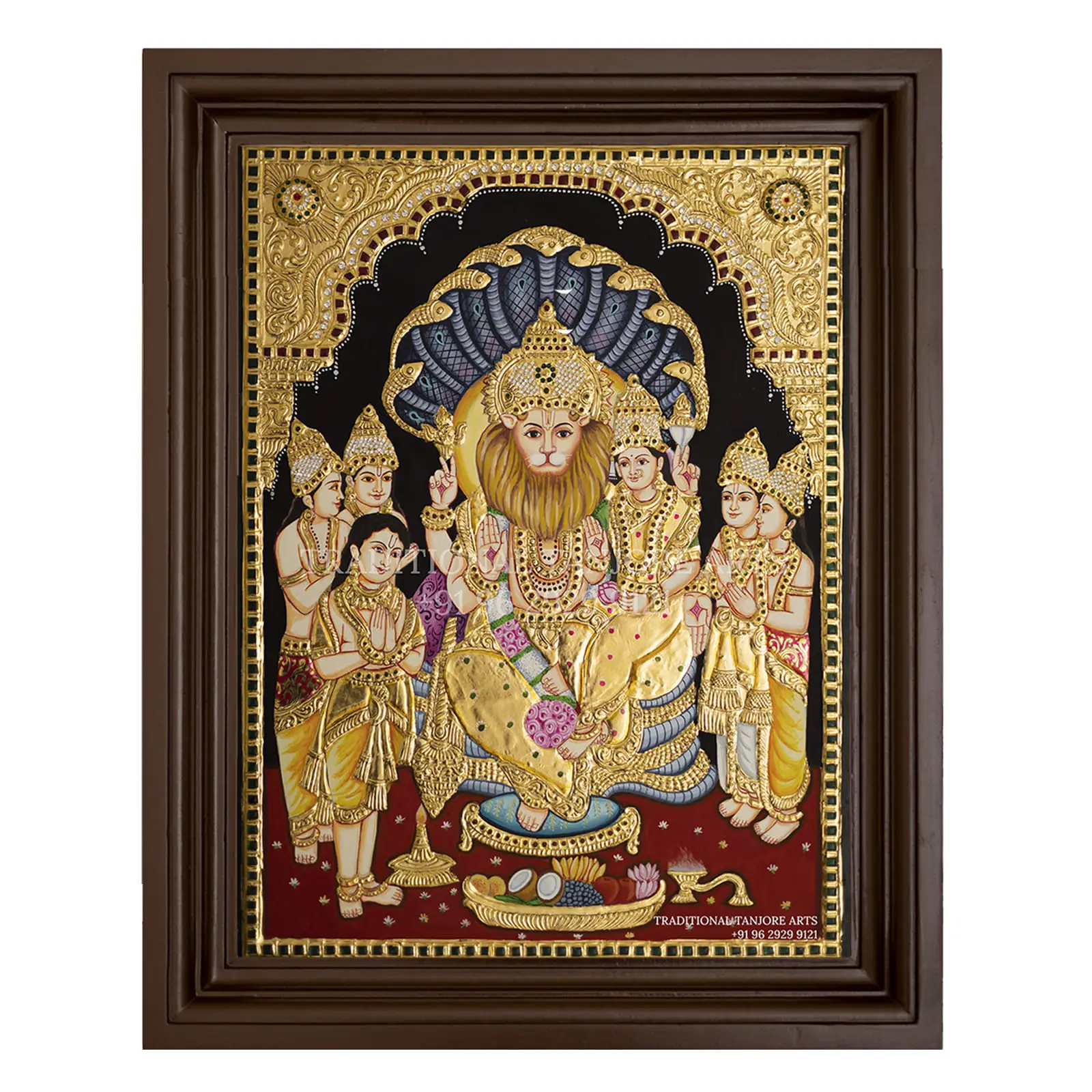
Authentic Tanjore paintings feature handcrafted raised emboss work, also called gesso work.
What to observe:
- Jewellery, crowns, arches, and ornaments are raised
- You can feel the texture by gently touching the surface
- The embossing is uneven in a natural way (not machine-perfect)
Flat surfaces usually indicate printed or imitation artwork.
3. Examine the Base Material
Original Tanjore paintings are created on a wooden base, not canvas or paper.
Authentic base materials include:
- Plywood board
- Wooden plank
- Traditional cloth-mounted wooden panels
Canvas-based or paper-mounted paintings are usually not original Tanjore art.
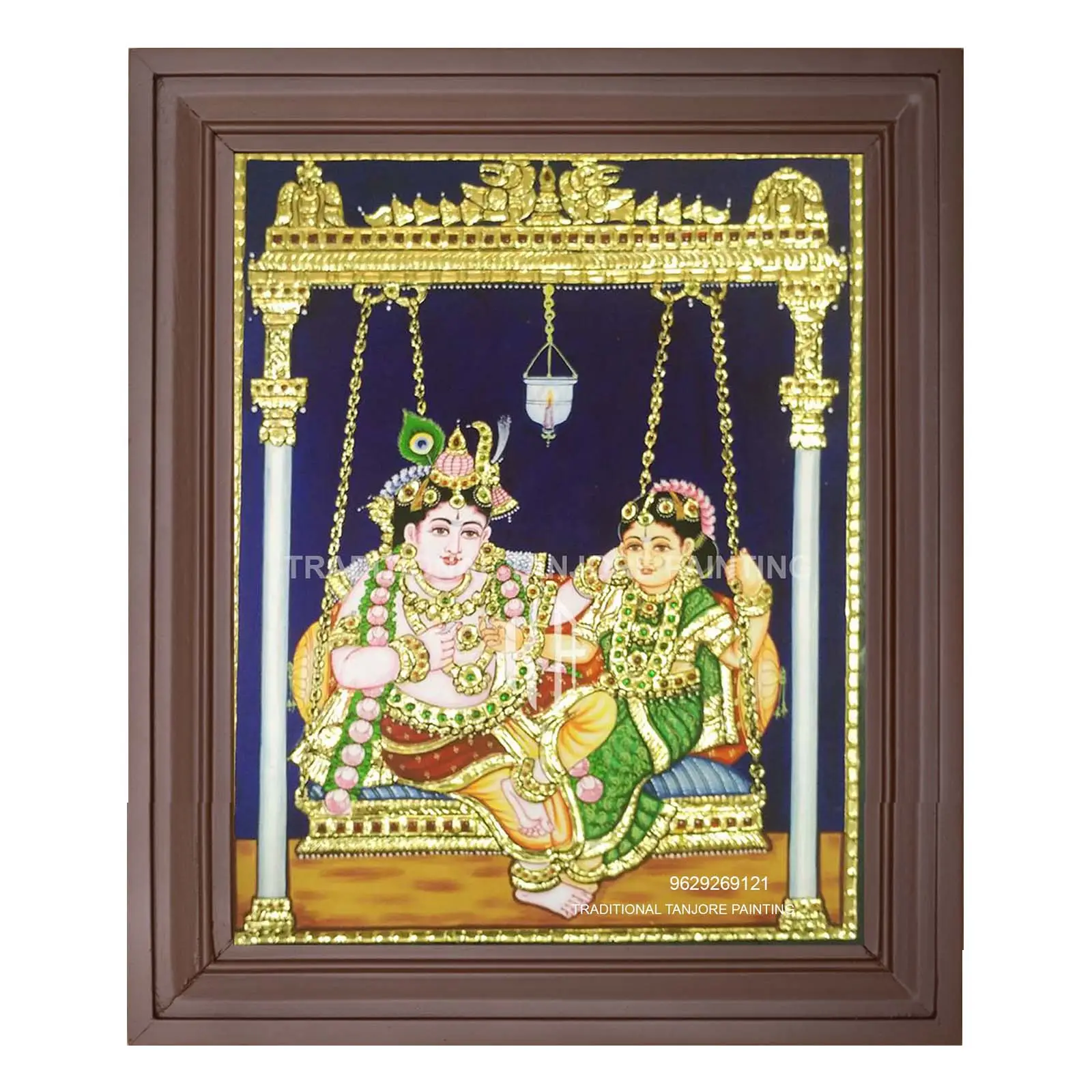
4. Observe Hand-Painted Facial Expressions
In original Tanjore paintings:
- Eyes, face, and expressions are hand-painted
- Fine lines may vary slightly, showing human touch
- Details feel lively and expressive
Printed artworks often have overly smooth, uniform facial features.
5. Check the Materials Used
Authentic Tanjore paintings use premium traditional materials, such as:
- Natural or poster colors
- Limestone-based emboss mixture
- Real gold foil
- Teak wood frames (in premium pieces)
Low-quality frames, artificial stones, or synthetic colors usually indicate imitation work.
6. Weight and Thickness Matter
Original Tanjore paintings feel:
- Slightly heavy due to wood and emboss layers
- Thick because of multiple hand-applied layers
Lightweight frames and thin boards often signal fake versions.
7. Ask About the Making Process
A genuine seller or artist can clearly explain:
- How the painting was made
- Time taken to complete it
- Type of gold used
- Emboss technique and materials
If the seller cannot explain the process, it may not be authentic.
8. Price as an Authenticity Indicator
Original Tanjore paintings are never extremely cheap.
Why?
- Real gold is expensive
- Artwork is fully handmade
- Creation takes weeks or months
If a painting is priced too low, it is likely a printed or imitation version.
Original vs Fake Tanjore Painting (Quick Comparison)
| Feature | Original | Fake |
|---|---|---|
| Gold | Real 22k foil | Imitation foil |
| Texture | Raised 3D work | Flat |
| Base | Wooden board | Canvas/paper |
| Method | Handmade | Printed |
| Longevity | Generations | Few years |
Conclusion
So, how can you identify an original Tanjore painting?
Look for real gold foil, raised emboss work, wooden base, hand-painted details, and quality craftsmanship. Authentic Tanjore paintings are not just decorative pieces—they are cultural heirlooms that last for generations.
When purchased from a trusted source like Tanjore Arts, you can be confident that you are investing in genuine craftsmanship and traditional heritage.