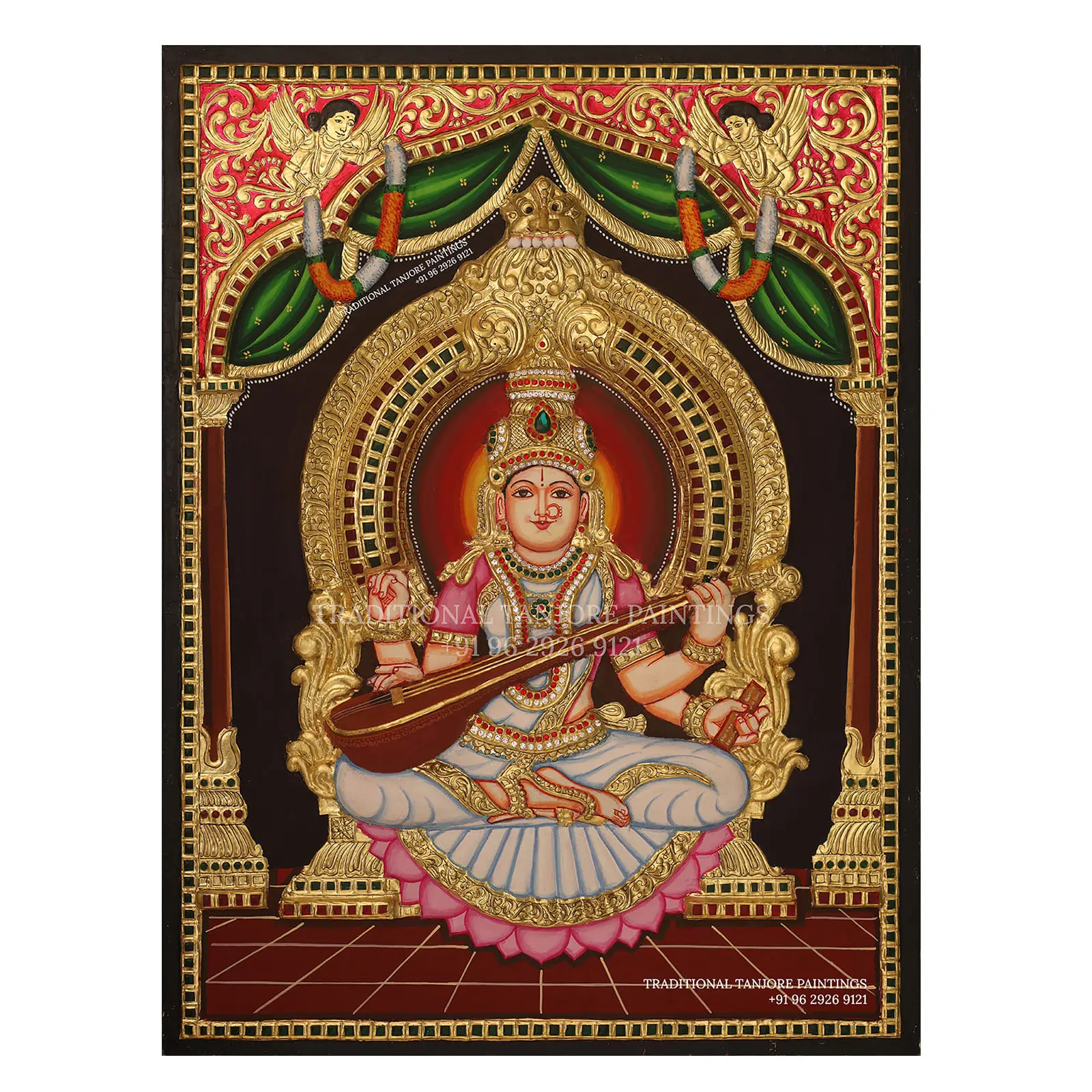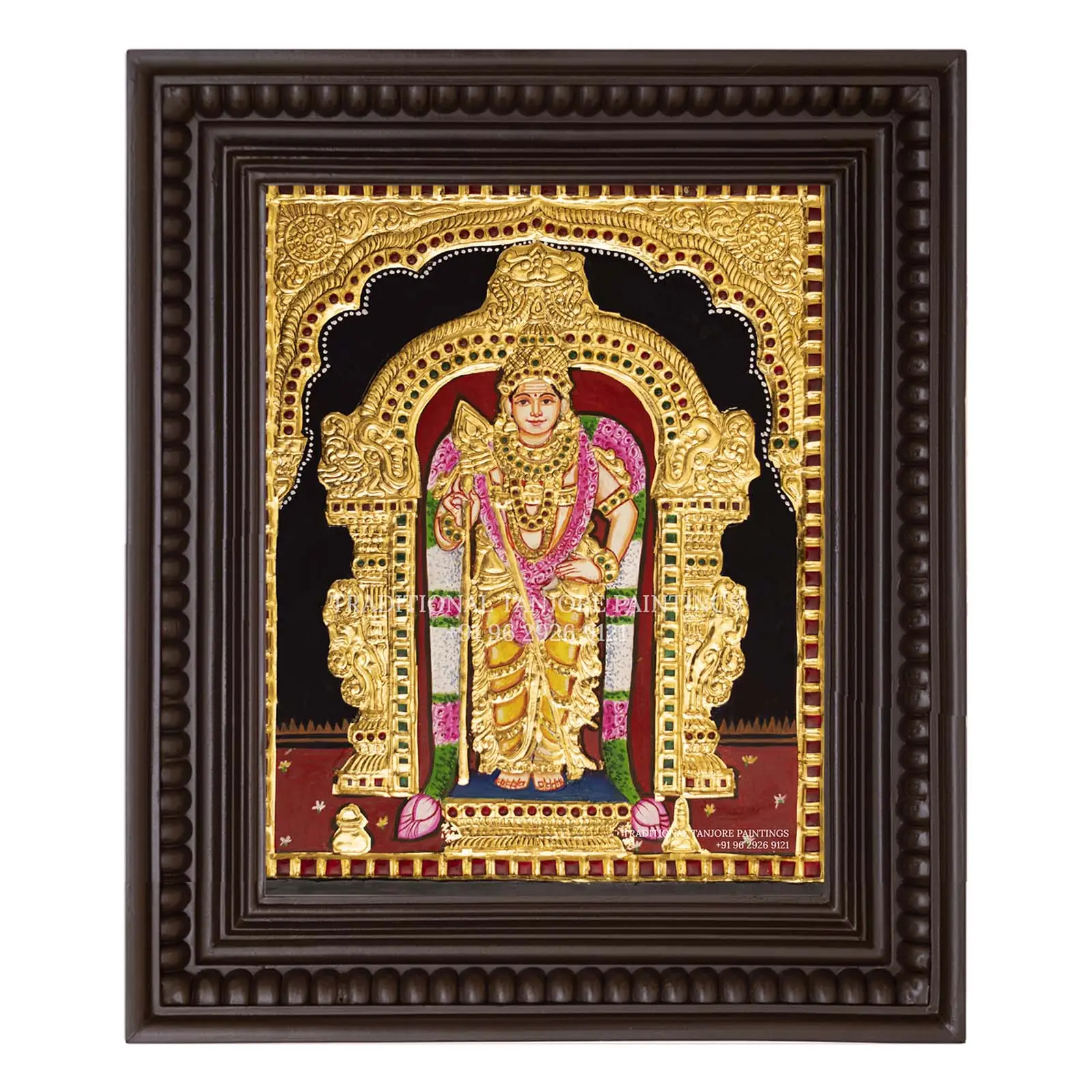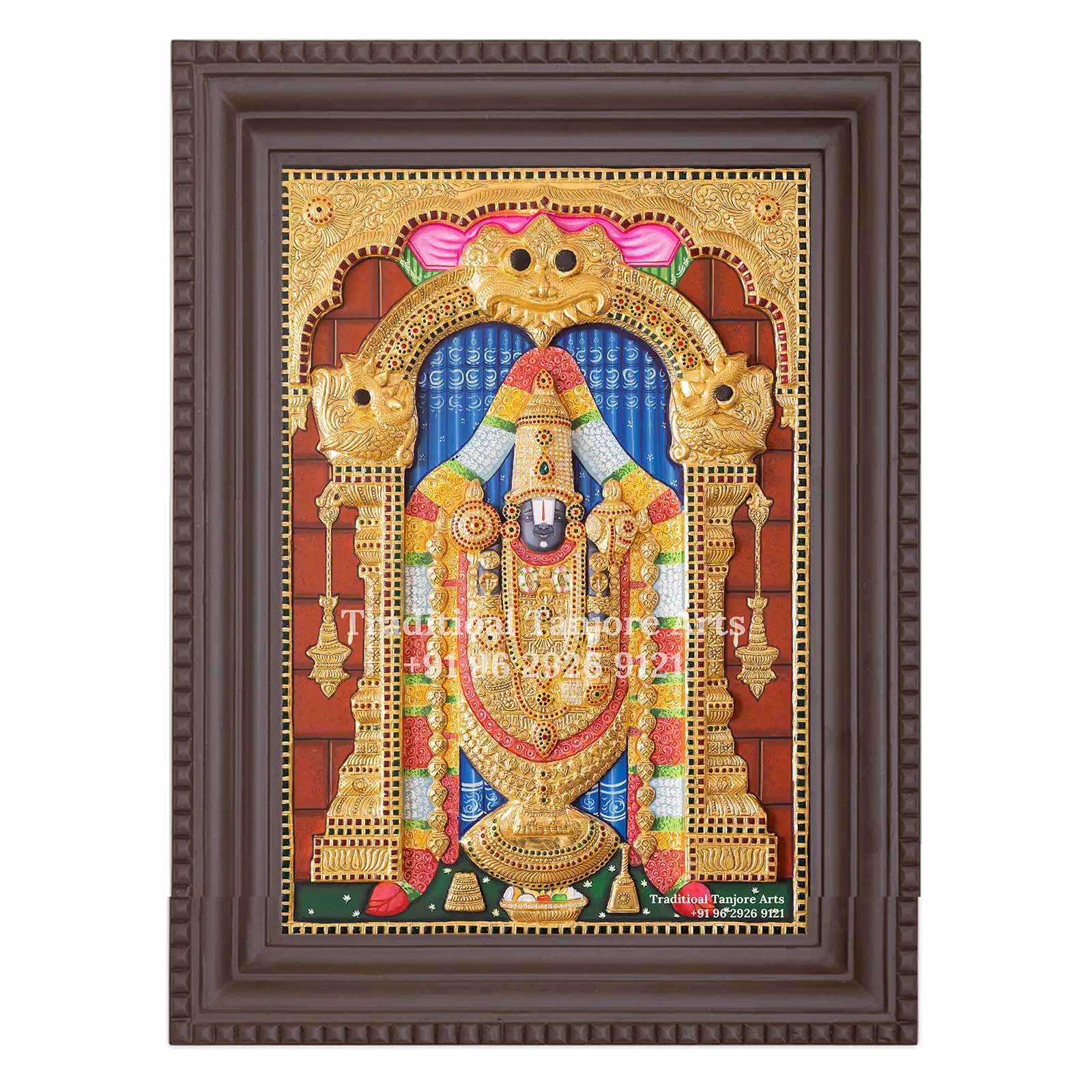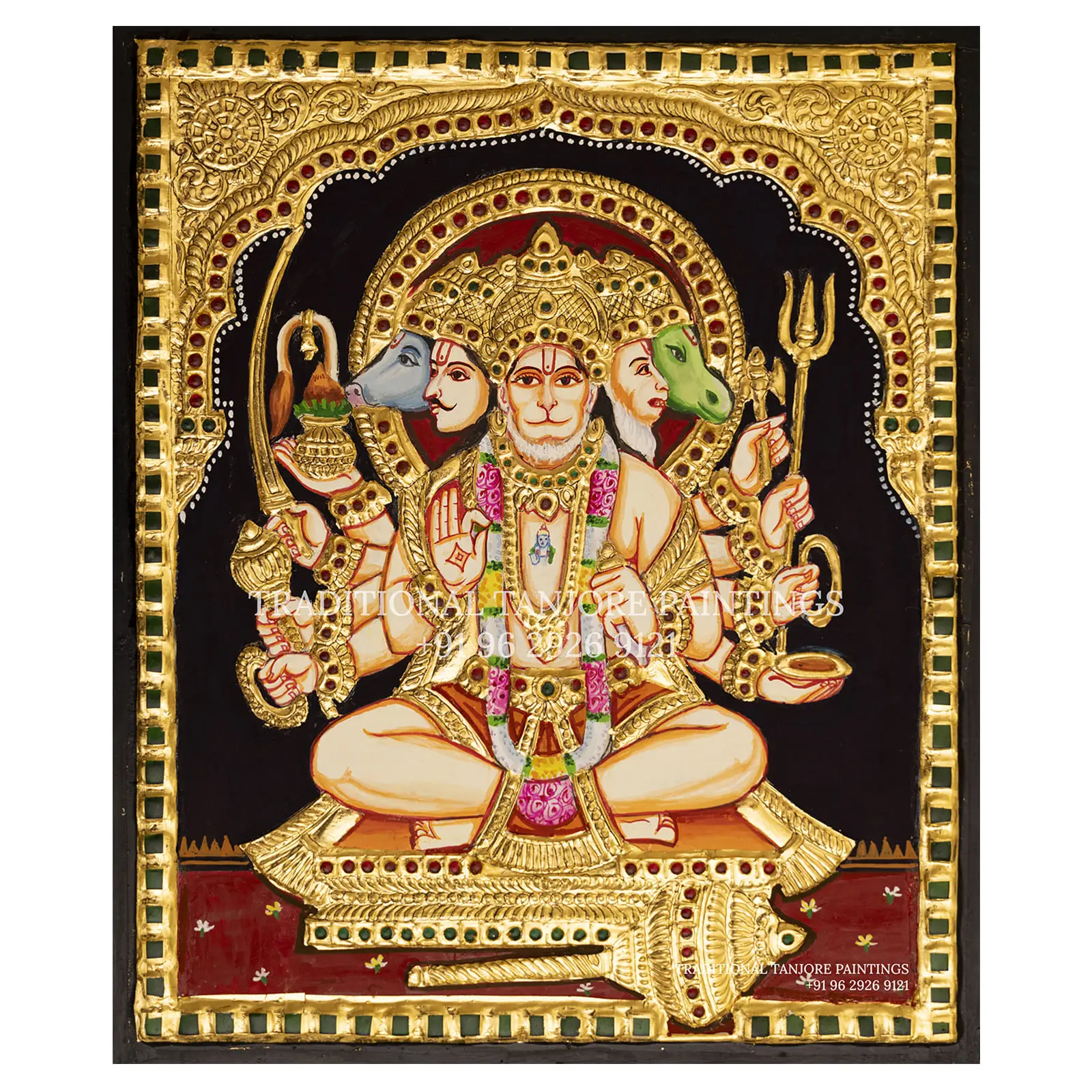
What Paint Is Used for Tanjore Painting? A Complete Traditional Guide
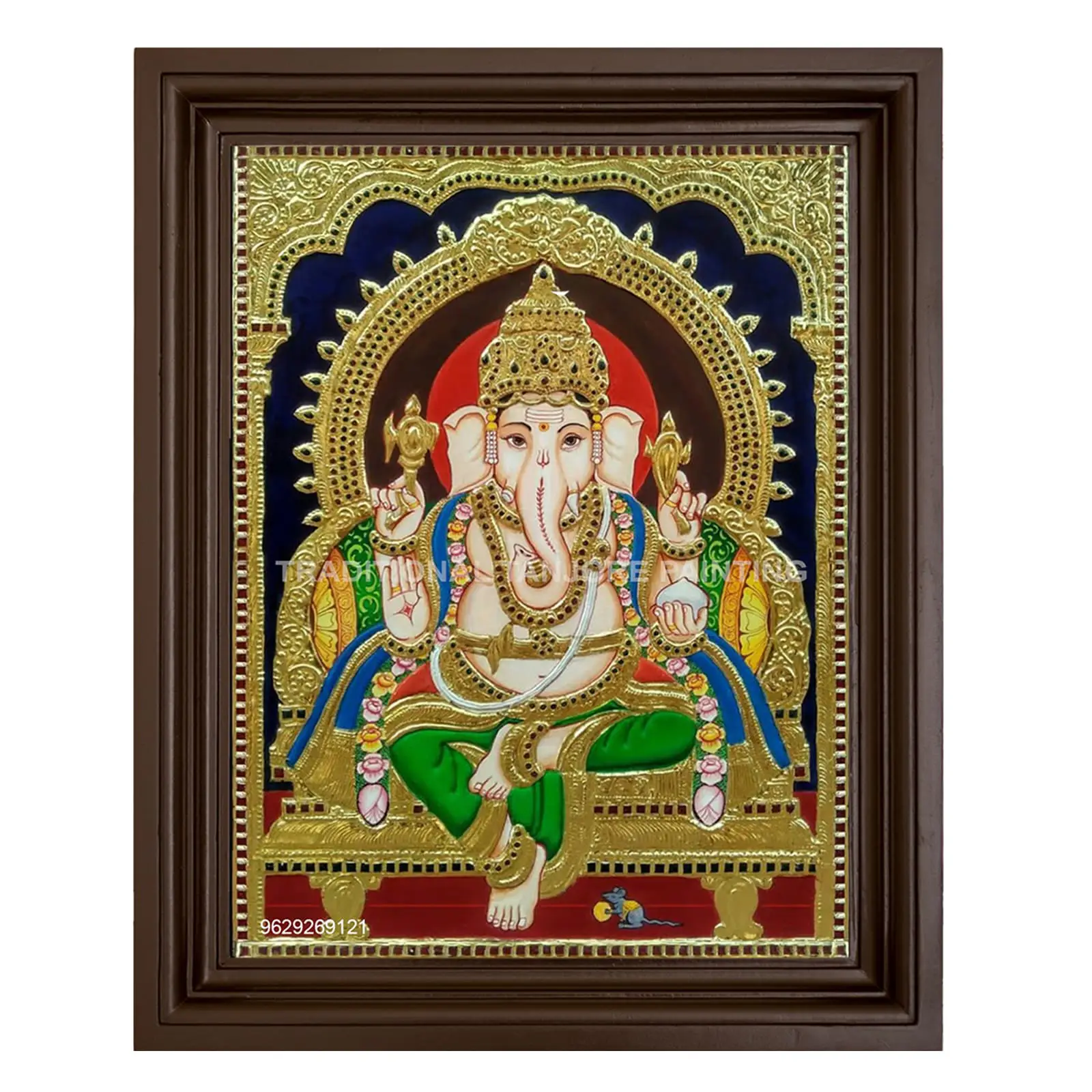
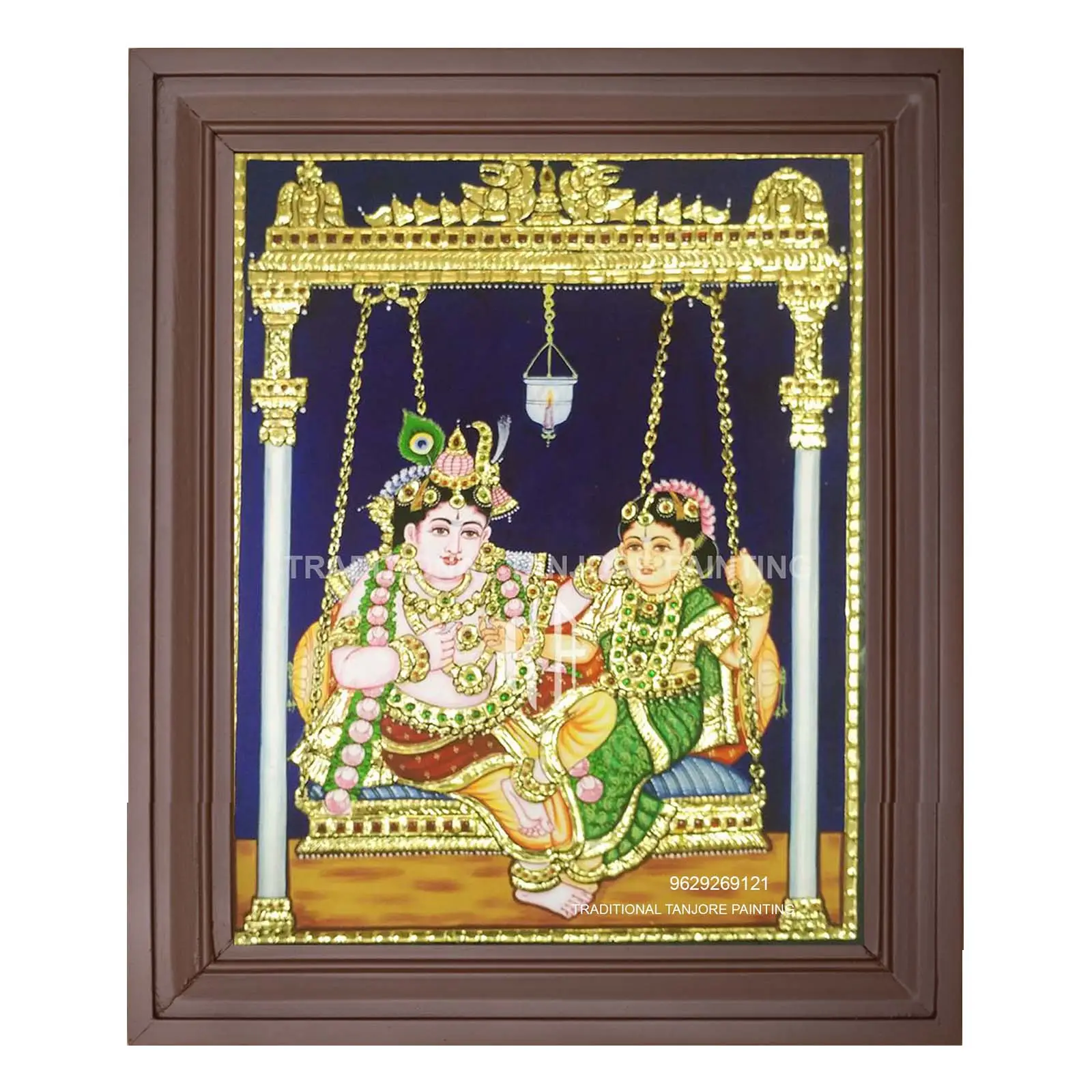
Tanjore painting, also known as Thanjavur painting, is a classical South Indian art form admired for its rich colors, glowing gold foil, and divine themes. Many art lovers and buyers often ask what paint is used for Tanjore painting and why these artworks remain vibrant for generations. The beauty of Tanjore paintings lies not only in their design but also in the traditional materials used by skilled artisans.
Understanding the types of paint used helps identify authentic Tanjore paintings and appreciate their long-lasting quality.
Traditional Philosophy Behind Tanjore Painting Colors
Historically, Tanjore paintings were created as sacred objects meant for worship. Because of this, artists used materials that were natural, durable, and spiritually pure. The paints were chosen carefully to complement the brilliance of gold foil and to withstand time without fading.
Even today, traditional artists follow these principles while adapting slightly to modern availability.
Natural Pigments Used in Early Tanjore Paintings
In ancient times, the paint used for Tanjore painting came from natural sources. These included:
- Mineral pigments made from stones and earth
- Vegetable dyes extracted from plants and roots
- Charcoal black for outlining and detailing
- Lime white derived from natural chalk
These natural paints produced soft yet rich colors that blended beautifully with gold foil. Although preparing these pigments was time-consuming, they ensured longevity and depth.
Poster Colors in Modern Tanjore Paintings
Today, most traditional artists use high-quality poster colors for Tanjore painting. These paints are preferred because they closely resemble natural pigments in texture and brightness while offering better consistency and availability.
Poster colors are water-based, easy to layer, and allow smooth blending. They are especially suitable for the flat color areas commonly seen in Tanjore paintings, such as backgrounds, clothing, and facial tones.
Importantly, skilled artists know how to apply poster colors in a traditional manner, ensuring the artwork still looks authentic.
Acrylic Paint – Used with Care
Some contemporary artists also use acrylic paint in Tanjore painting, mainly for background areas. Acrylics are known for their durability and resistance to moisture. However, in authentic traditional Tanjore paintings, acrylic paint is used sparingly.
Excessive use of acrylics can reduce the classic look and spiritual softness of the painting. Therefore, experienced artisans carefully balance acrylic paint with traditional techniques to maintain originality.
Natural Earth Tones for Divine Appearance
Regardless of the paint type, Tanjore paintings always emphasize earthy and traditional color palettes. Commonly used colors include:
- Deep reds and maroons
- Emerald and parrot greens
- Royal blues
- Mustard yellow and saffron tones
- Soft skin tones for divine figures
These colors are chosen not just for beauty but also for symbolic meaning in Indian tradition.
Role of Gold Foil Alongside Paint
While discussing what paint is used for Tanjore painting, it is important to mention gold foil. Genuine Tanjore paintings use 22-carat gold foil for ornaments, crowns, and arches. The paint used around gold foil must be compatible so that it enhances the shine without overpowering it.
Artists carefully paint after applying gold foil, ensuring clean edges and balanced contrast.
How Paint Is Applied in Tanjore Painting
The application of paint in Tanjore painting follows a layered approach:
- Base preparation using cloth and chalk paste
- Sketching the design
- Emboss work for raised areas
- Gold foil application
- Painting with poster colors or natural pigments
- Final outlining and detailing
Each layer must dry naturally before the next step begins. This slow process ensures durability and visual depth.
Why Paint Quality Matters in Tanjore Art
High-quality paint is essential for preserving the beauty of Tanjore paintings. Cheap or incorrect paint can fade, crack, or dull the gold foil over time. Authentic paintings use carefully selected paints that age gracefully, maintaining their brilliance for decades.
This is why genuine handmade Tanjore paintings often cost more than printed or machine-made versions—they are created to last a lifetime.
Identifying Authentic Tanjore Painting by Paint Finish
An original Tanjore painting will have:
- Smooth, even color layers
- No excessive gloss except on gold areas
- Soft transitions between shades
- No peeling or cracking
These qualities indicate proper paint usage and skilled craftsmanship.
Preserving a Timeless Art Form
Understanding what paint is used for Tanjore painting helps buyers value the skill and tradition behind each artwork. Whether created using natural pigments or high-quality poster colors, the essence of Tanjore painting lies in its careful handwork and respect for tradition.
Choosing authentic Tanjore art supports traditional artisans and helps preserve one of India’s most treasured cultural legacies.