How Is Tanjore Painting Done? Step-by-Step Traditional Art Process Explained
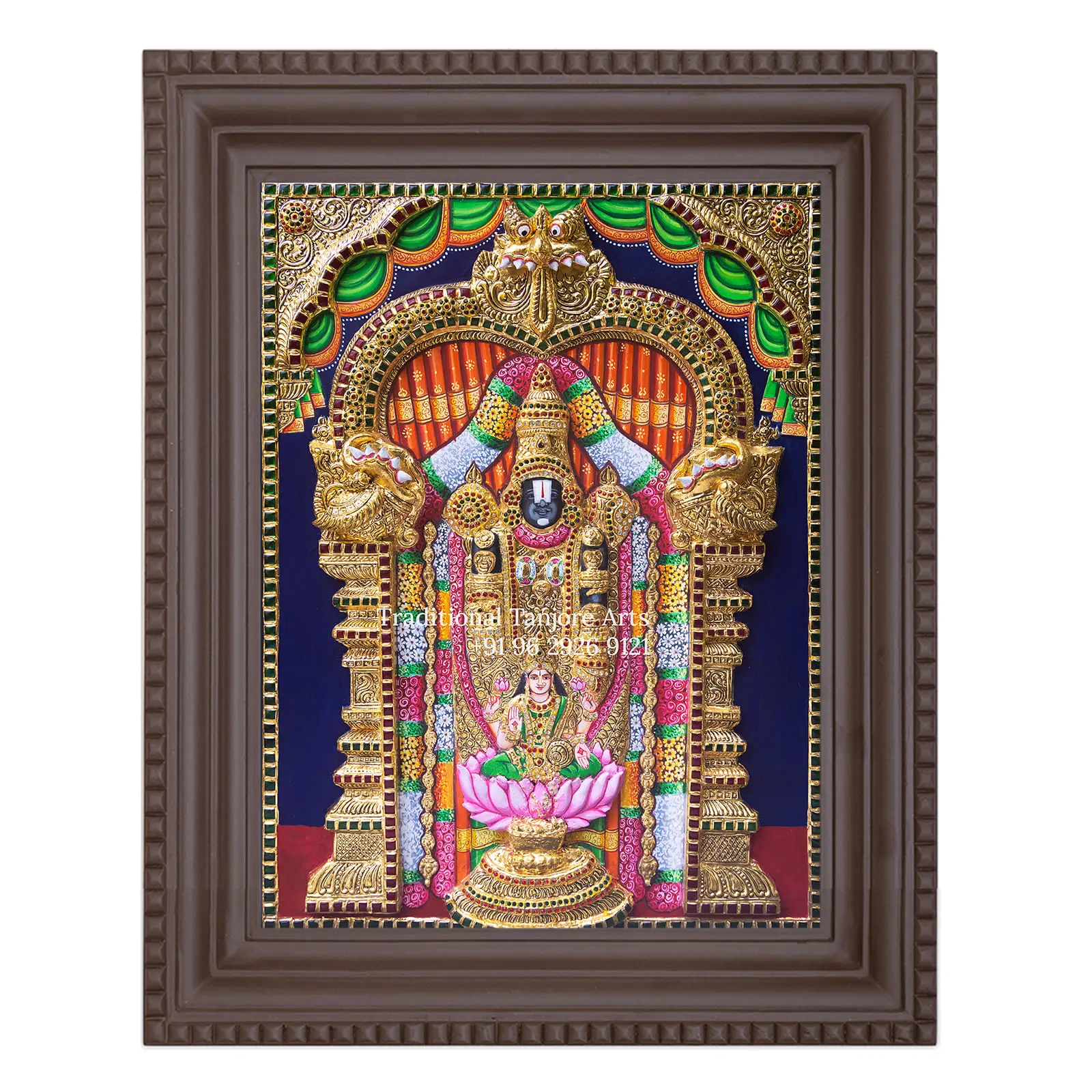
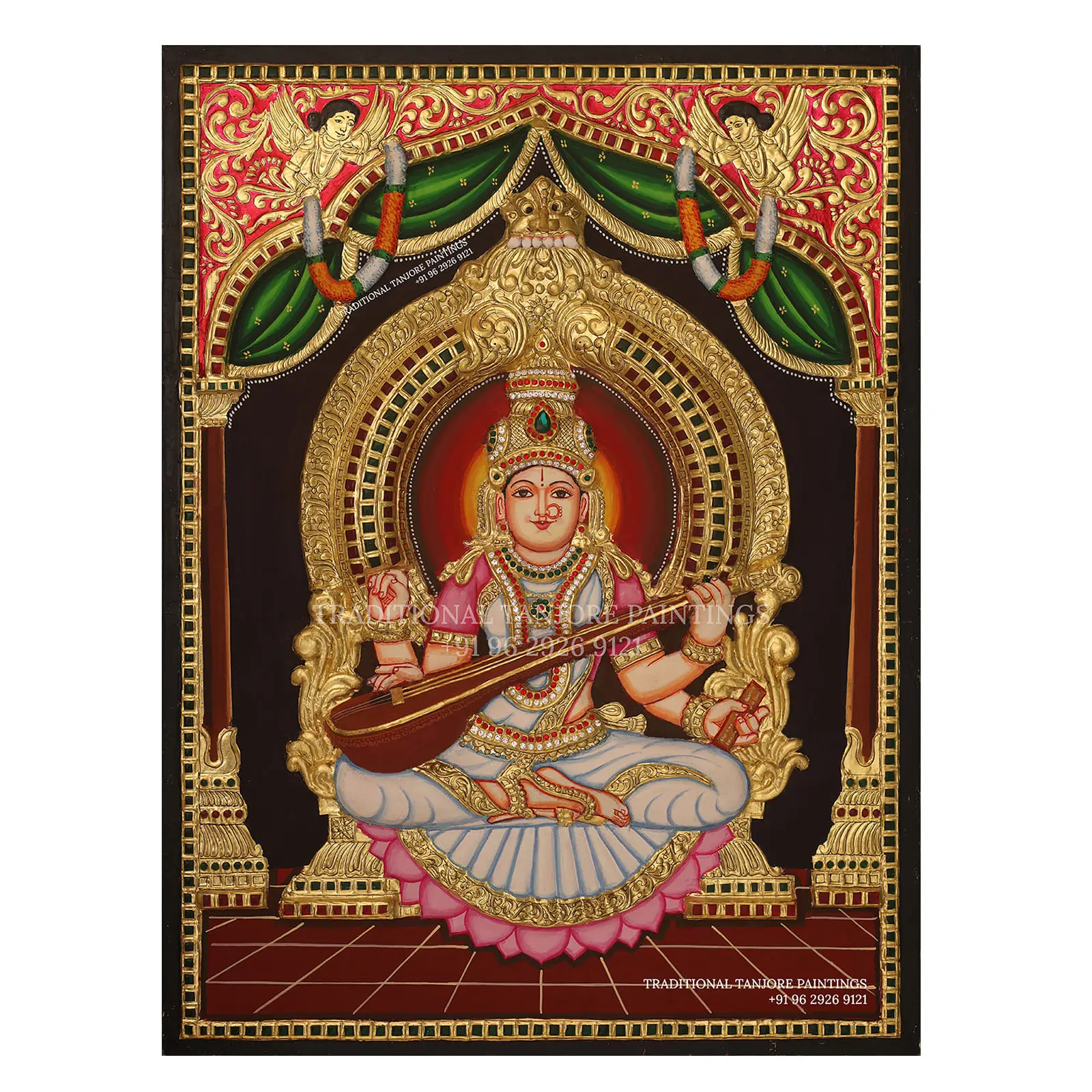
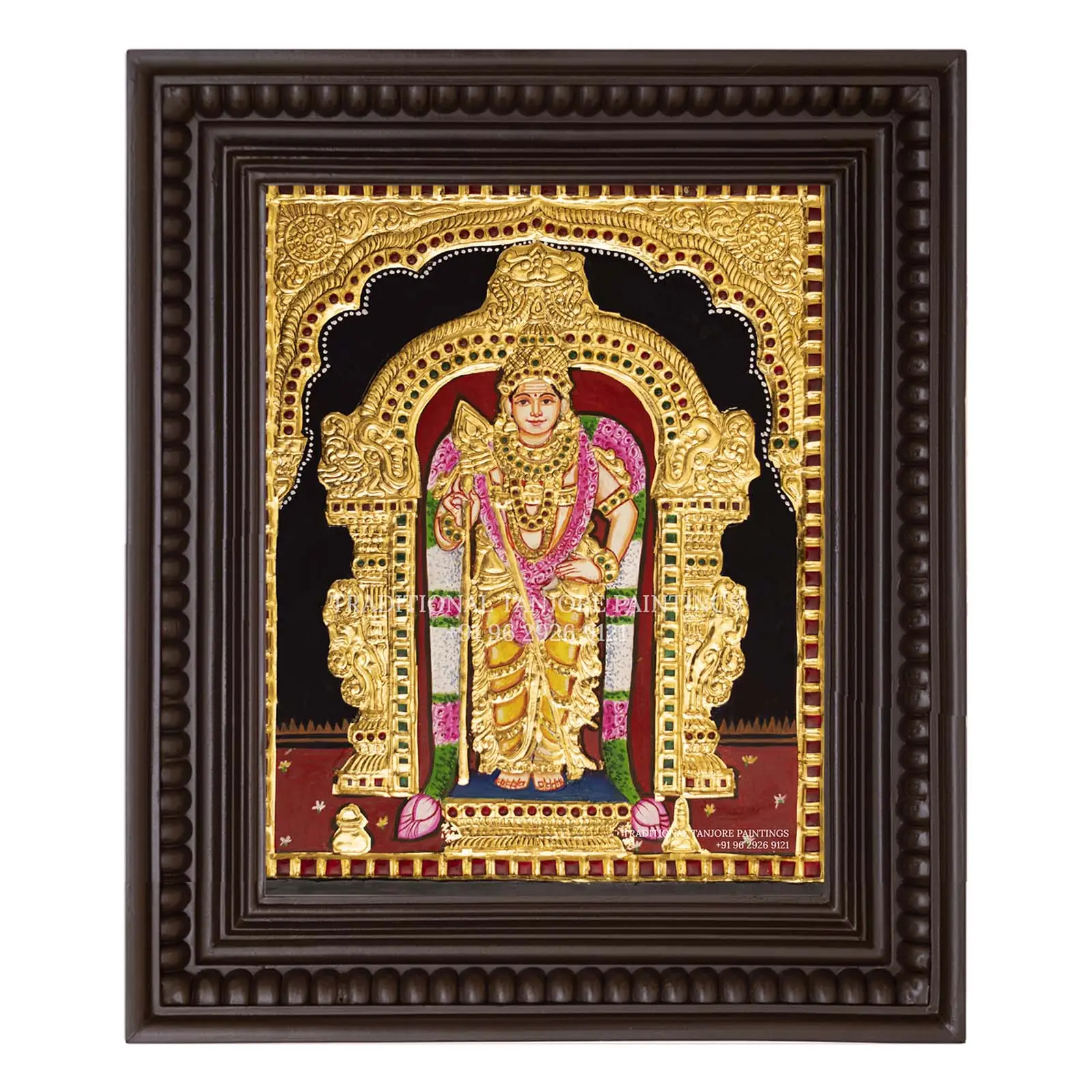
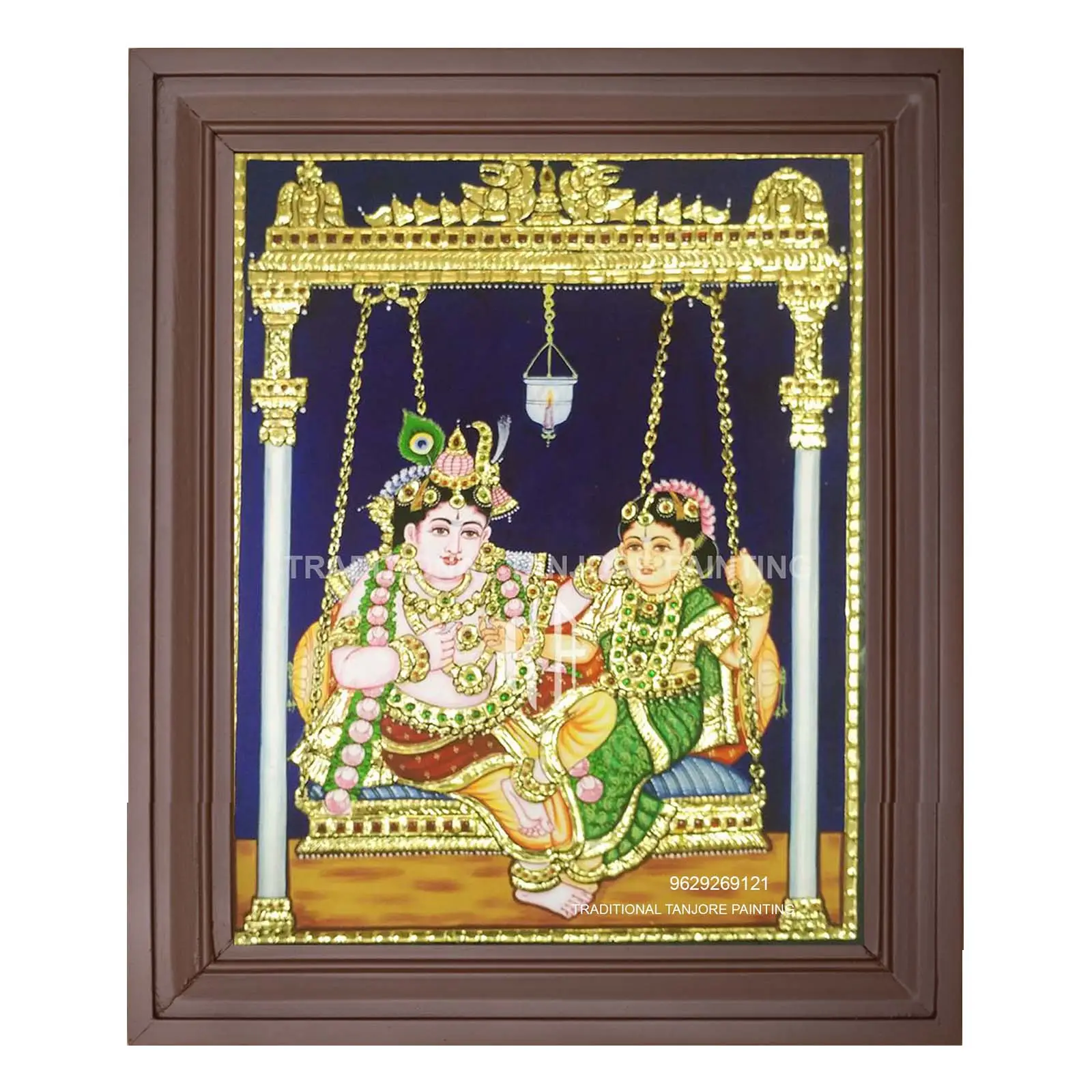
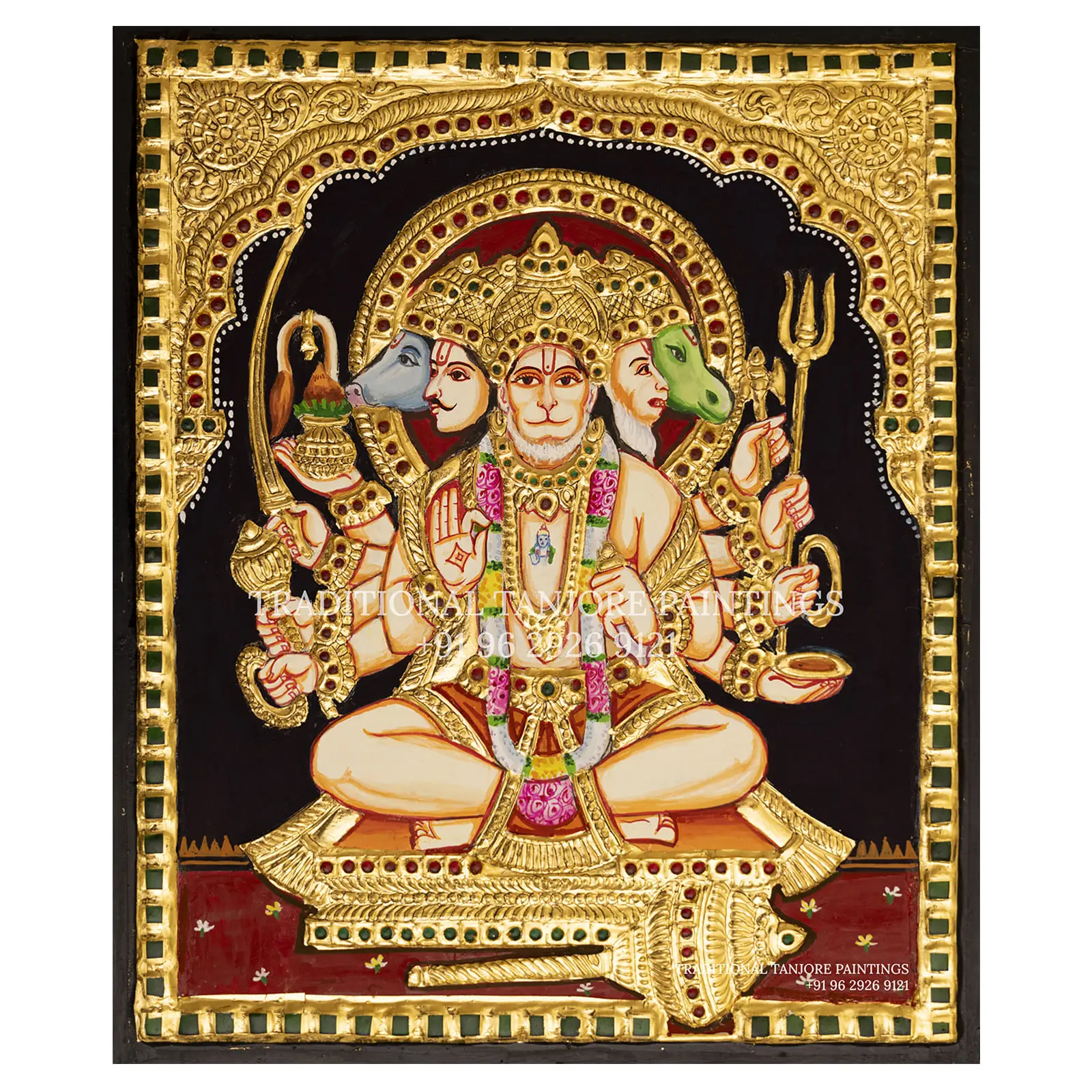
Tanjore painting, also known as Thanjavur painting, is one of the most admired traditional art forms of South India. Famous for its rich colors, raised emboss work, and glowing gold foil, this art style has been practiced for centuries. Many art lovers and buyers are curious to know how is Tanjore painting done and what makes it so unique compared to other paintings.
The beauty of a Tanjore painting lies in its detailed handmade process, which requires patience, precision, and traditional knowledge.
Origin of the Tanjore Painting Technique
The technique of Tanjore painting originated in Thanjavur, where temple culture and devotional art flourished under royal patronage. These paintings were initially created as sacred objects for worship, which is why every step in the process follows strict traditional guidelines.
Understanding how Tanjore painting is done helps us appreciate its cultural and spiritual depth.
Step 1: Preparing the Wooden Base
The first step in how Tanjore painting is done begins with selecting a strong wooden board, usually made from seasoned teak or jackfruit wood. A clean cotton cloth is pasted onto the wooden surface using natural adhesive.
After this, a smooth paste made from chalk powder and glue is applied evenly over the cloth. This layer creates a firm and durable base and is left to dry completely before moving to the next stage.
Step 2: Drawing the Traditional Sketch
Once the base is ready, the artist carefully sketches the main figure using a pencil or charcoal. The sketch follows classical iconography rules, especially when depicting gods and goddesses. Facial expressions, posture, ornaments, and proportions must strictly follow tradition.
This step is crucial because the entire painting depends on the accuracy of the initial drawing.
Step 3: Creating the Emboss (Relief) Work
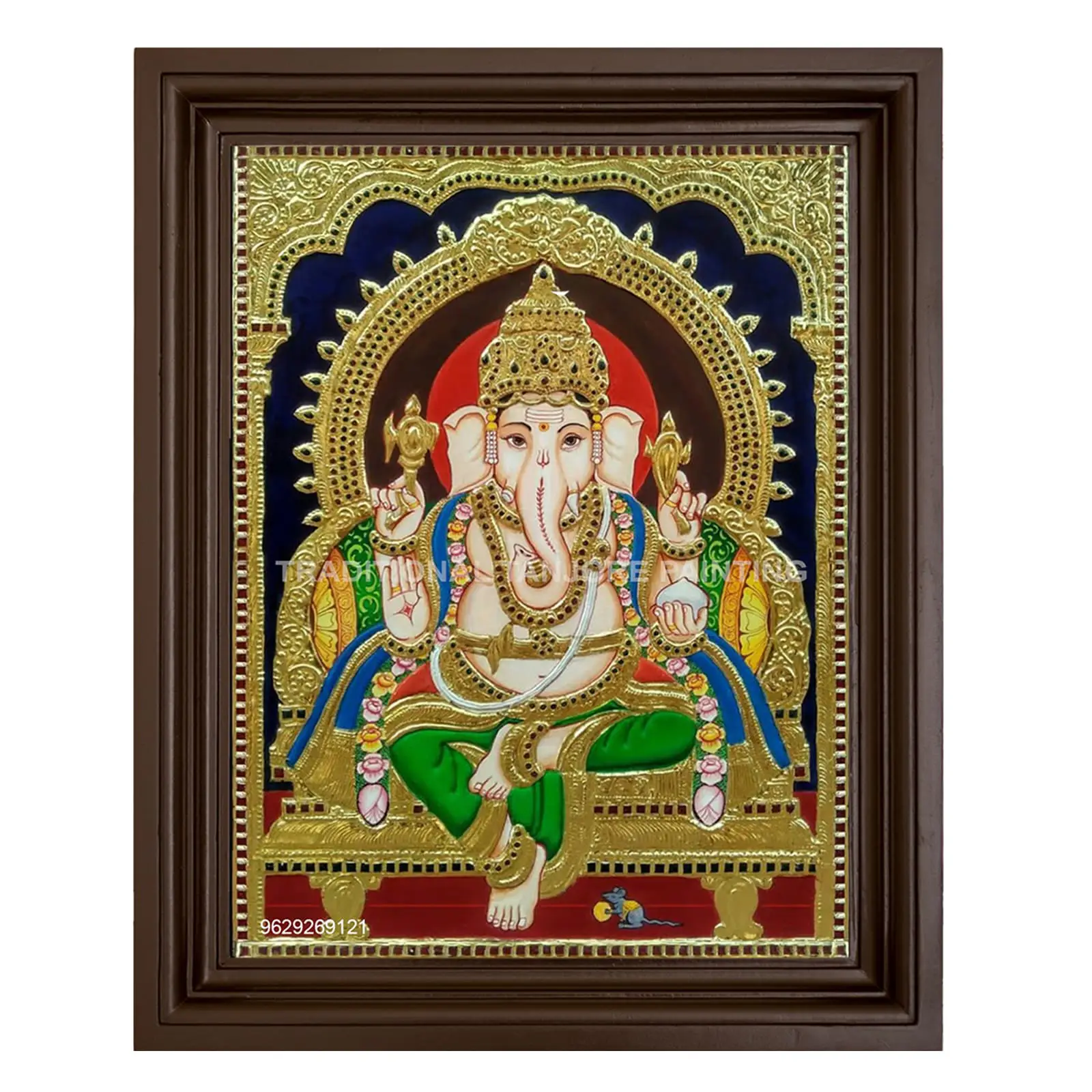
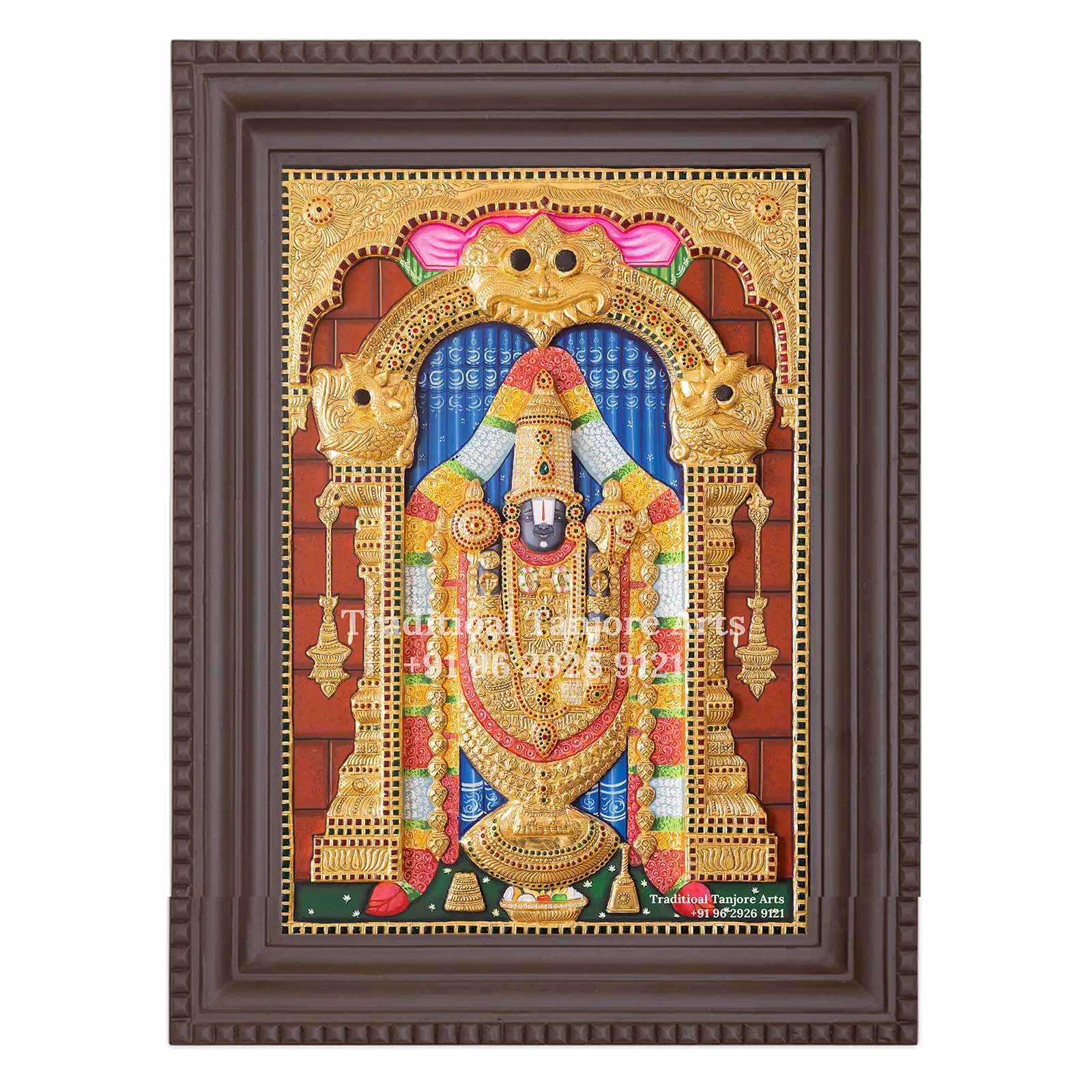
One of the most distinctive answers to how is Tanjore painting done lies in its raised emboss work. A thick paste made from chalk powder and adhesive is applied to selected areas such as crowns, jewellery, arches, and ornaments.
This relief work creates a three-dimensional effect, giving Tanjore paintings their iconic depth and royal appearance. The embossed areas are allowed to partially dry before the next step.
Step 4: Applying Gold Foil
After the emboss work reaches the right consistency, genuine gold foil is carefully applied over the raised areas. Authentic Tanjore paintings use 22-carat gold foil, which gives a long-lasting shine that does not fade over time.
The gold adheres naturally to the emboss paste, creating a radiant and divine glow. This step requires great skill, as even small mistakes can affect the final finish.
Step 5: Hand Painting with Traditional Colors
Once the gold foil is set, the artist begins painting the remaining areas by hand. Traditionally, natural pigments were used, but today high-quality poster colors are commonly preferred.
Rich shades of red, blue, green, yellow, and earthy tones are carefully applied in layers. The colors are chosen to balance the brilliance of the gold without overpowering it.
Step 6: Final Detailing and Outlining
The final stage in how Tanjore painting is done involves adding fine details. Facial features, eyes, hands, and ornaments are carefully outlined to enhance expression and clarity. Shading is done gently to maintain a soft and divine appearance.
Once completed, the painting is allowed to dry naturally.
Step 7: Framing the Tanjore Painting
After drying, the painting is framed using traditional wooden frames that complement the artwork. Proper framing protects the painting and enhances its visual appeal, making it suitable for long-term display.
Why the Tanjore Painting Process Is Special
Every Tanjore painting takes several days or even weeks to complete. This slow and detailed process ensures durability, uniqueness, and artistic value. No two handmade Tanjore paintings are exactly the same.
Understanding how Tanjore painting is done helps buyers identify authentic artwork and appreciate why these paintings are considered valuable cultural treasures.
Preserving a Living Art Tradition
Tanjore painting is more than an art form—it is a living tradition passed down through generations of skilled artisans. By choosing authentic handmade Tanjore paintings, you help preserve this rich heritage and support traditional craftsmanship.
A genuine Tanjore painting is not just wall decor; it is a timeless blend of devotion, culture, and artistic excellence.