Origin of Tanjore Art in Tamil Nadu: A Royal Legacy
Introduction :
Thanjavur Painting, is one of the most renowned traditional art forms of South India. Originating in Tamil Nadu, this exquisite art style is famous for its rich colors, gold foil work, and intricate detailing. Deeply rooted in spirituality and royal patronage, Tanjore paintings not only depict divinity but also reflect the grandeur of Tamil culture and history.
The Royal Origins of Tanjore Art :
The origins of Tanjore Art can be traced back to the 16th century during the Nayak rule in Thanjavur. It flourished under the Maratha rulers of the 17th century, who provided immense patronage to artists and craftsmen. The kings considered art and culture as a symbol of prosperity, and Tanjore paintings became a way to depict their devotion and royal grandeur.
- Nayak Dynasty (16th century): Laid the foundation of the art form, encouraging temple-based paintings.
- Maratha Dynasty (17th century): Elevated the art to royal courts, blending local traditions with Deccan and Mughal influences.
Religious and Cultural Significance :
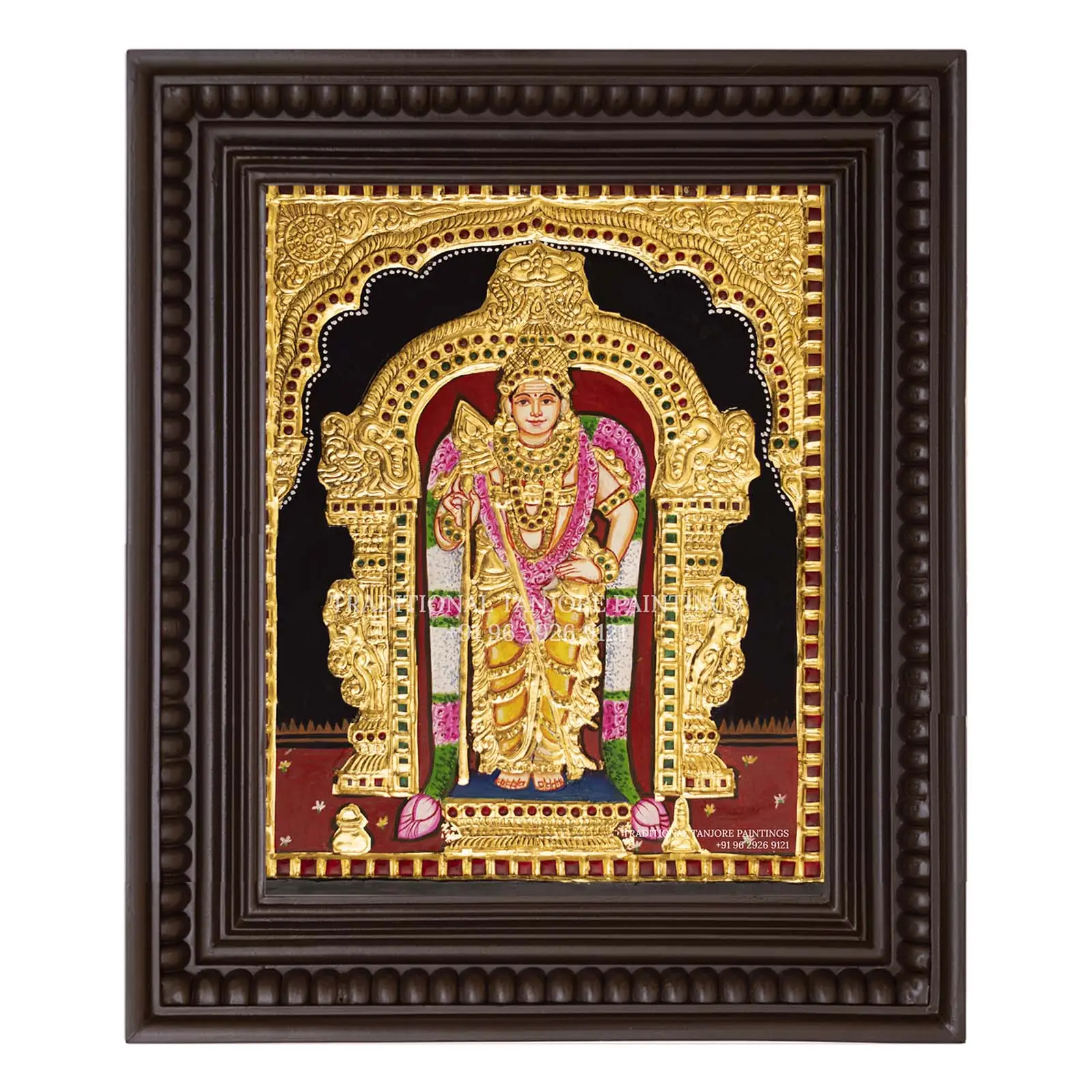
Tanjore Art was deeply inspired by Hindu mythology, epics, and temple traditions. Most paintings depicted Hindu gods, goddesses, saints, and spiritual themes, reflecting devotion and faith. The paintings were often placed in puja rooms and temples, serving as an important medium for worship and storytelling.
Some of the common subjects include:
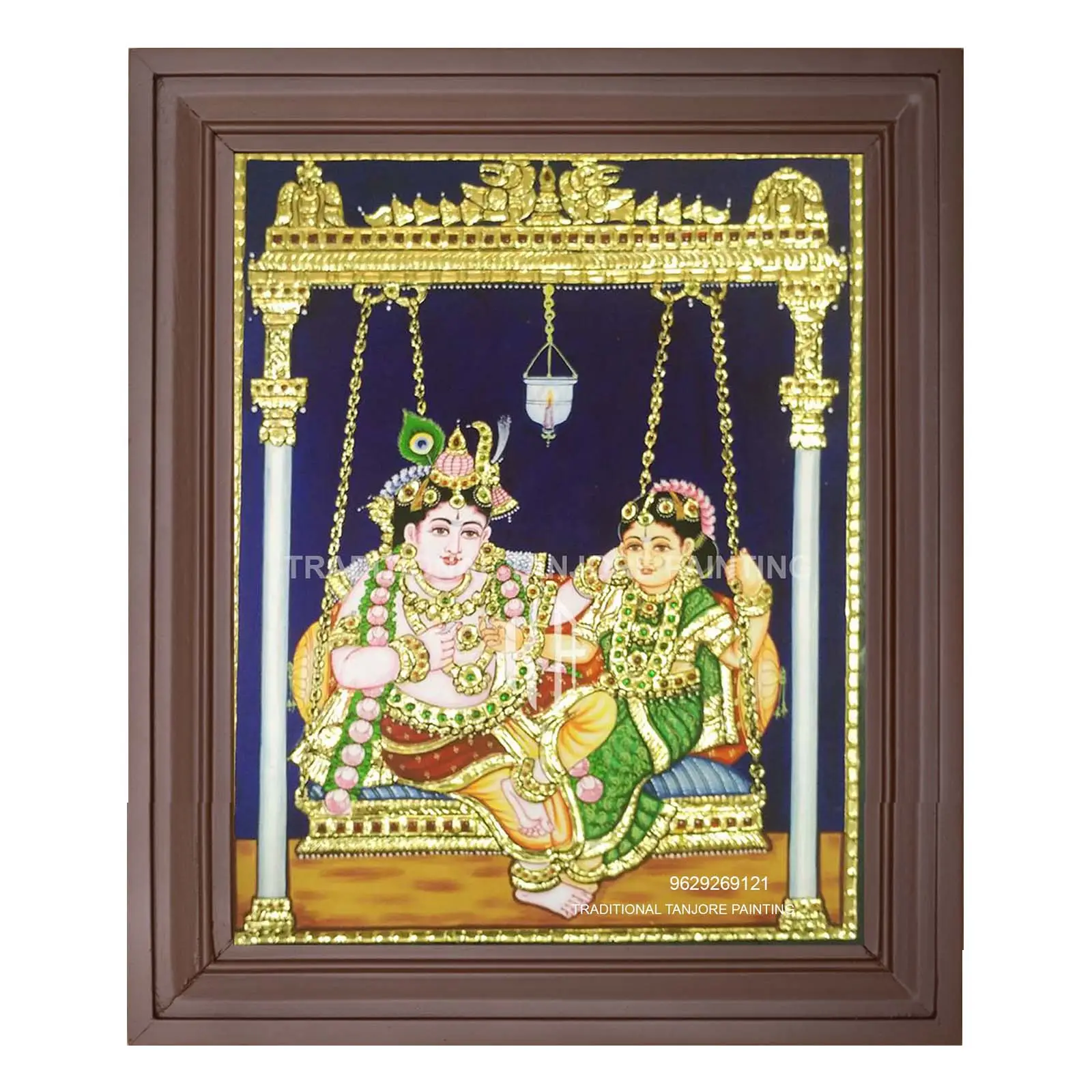
- Lord Krishna as a divine child.
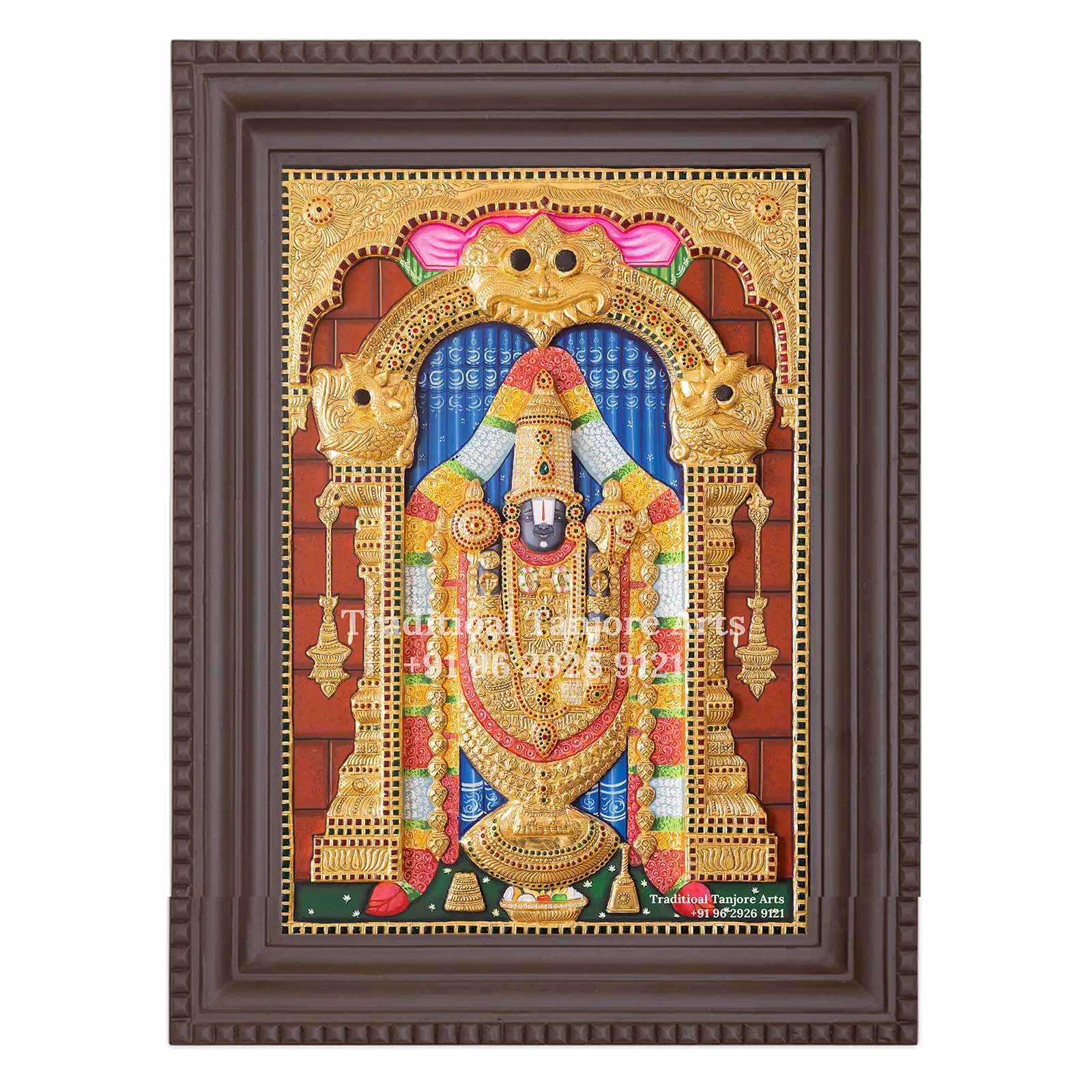
- Lord Vishnu in various avatars.
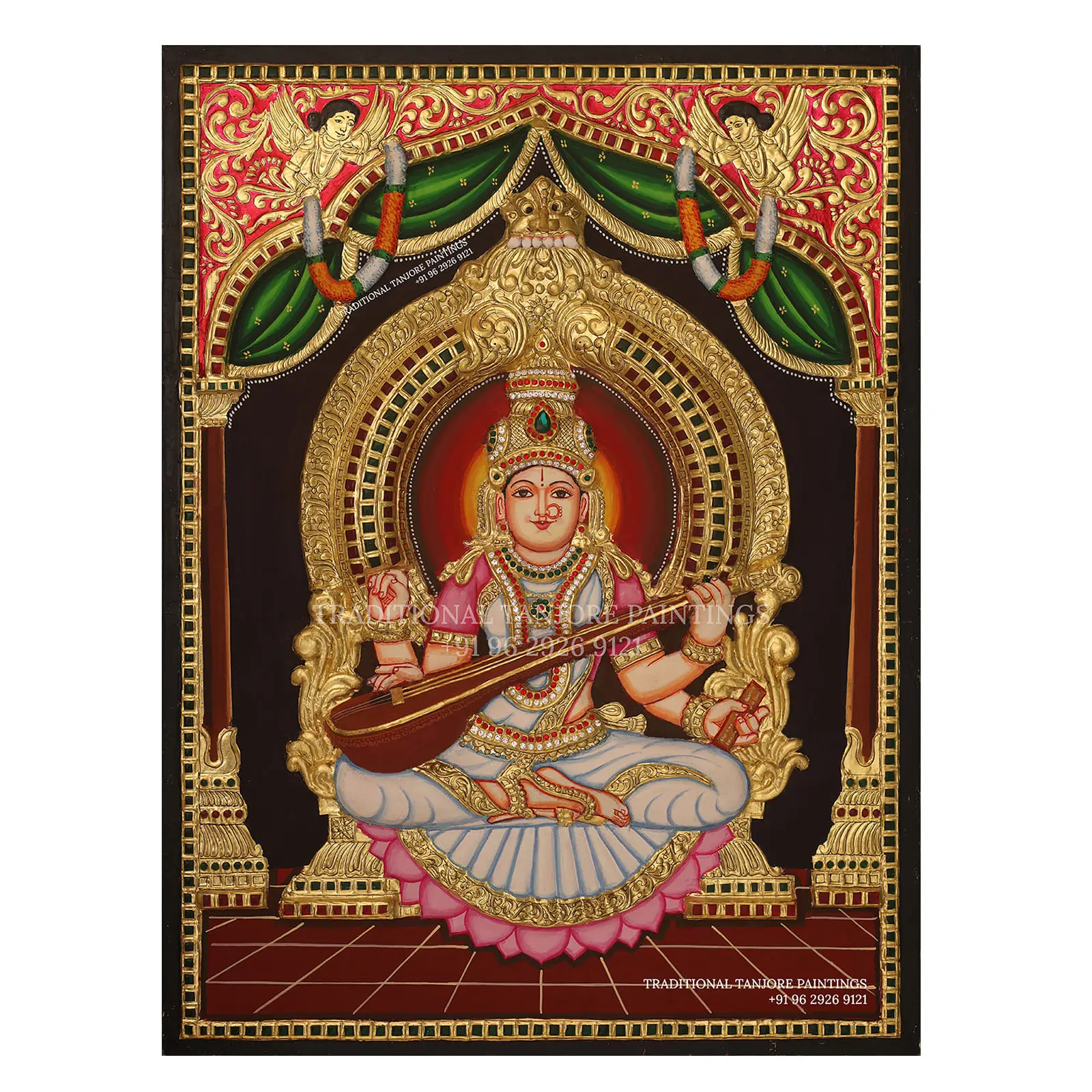
- Goddess Lakshmi and Saraswati symbolizing prosperity and wisdom.
- Scenes from the Ramayana and Mahabharata.
Unique Features of Tanjore Art :
Tanjore paintings stand apart due to their distinctive artistic style:
- Rich use of gold foil for a royal and divine effect.
- Bright colors like red, green, and blue that enhance the artwork.
- Gesso work (embossed effect) for three-dimensional detailing.
- Wooden panels as the traditional base instead of canvas.
These elements make Tanjore Art not just a painting but a heritage treasure that blends spirituality with luxury.
The Legacy of Tanjore Art Today:
Even today, Tanjore paintings continue to be an integral part of Tamil Nadu’s cultural identity. Skilled artisans keep the tradition alive, crafting both traditional and modern adaptations of the art. Collectors, art lovers, and spiritual devotees value these paintings for their timeless beauty, craftsmanship, and divine aura.
With global recognition, Tanjore Art has transcended beyond Tamil Nadu, reaching international art galleries and homes across the world, symbolizing India’s artistic and cultural pride.
Conclusion :
The origin of Tanjore Art in Tamil Nadu is a reflection of royal patronage, devotion, and cultural richness. From the temples of Thanjavur to modern art collections, this royal legacy continues to shine as one of India’s most treasured art forms. Owning a Tanjore painting is not just possessing art — it is embracing a timeless tradition that carries the soul of Tamil Nadu’s heritage.