Traditional Tanjore Painting
A Timeless South Indian Art Form
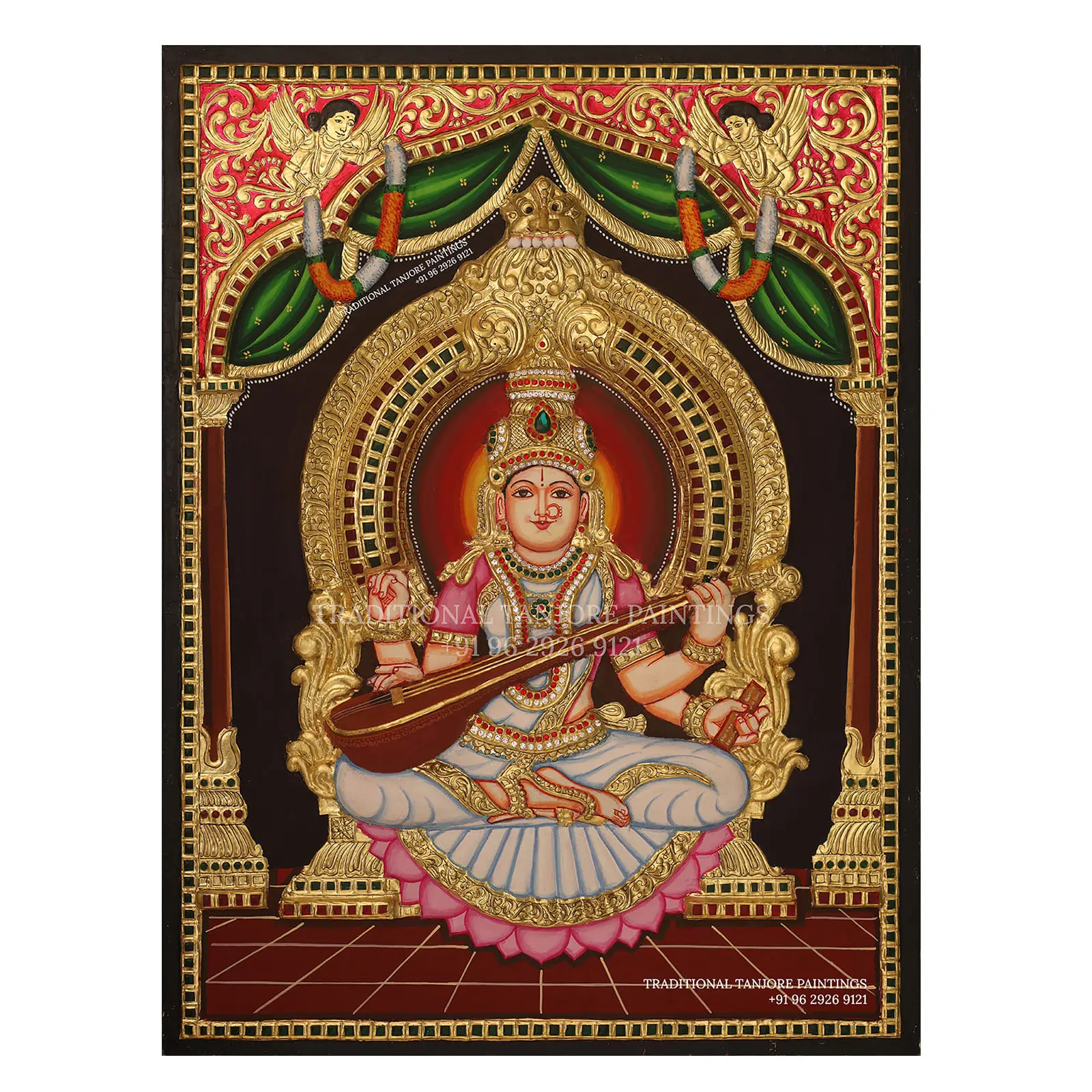
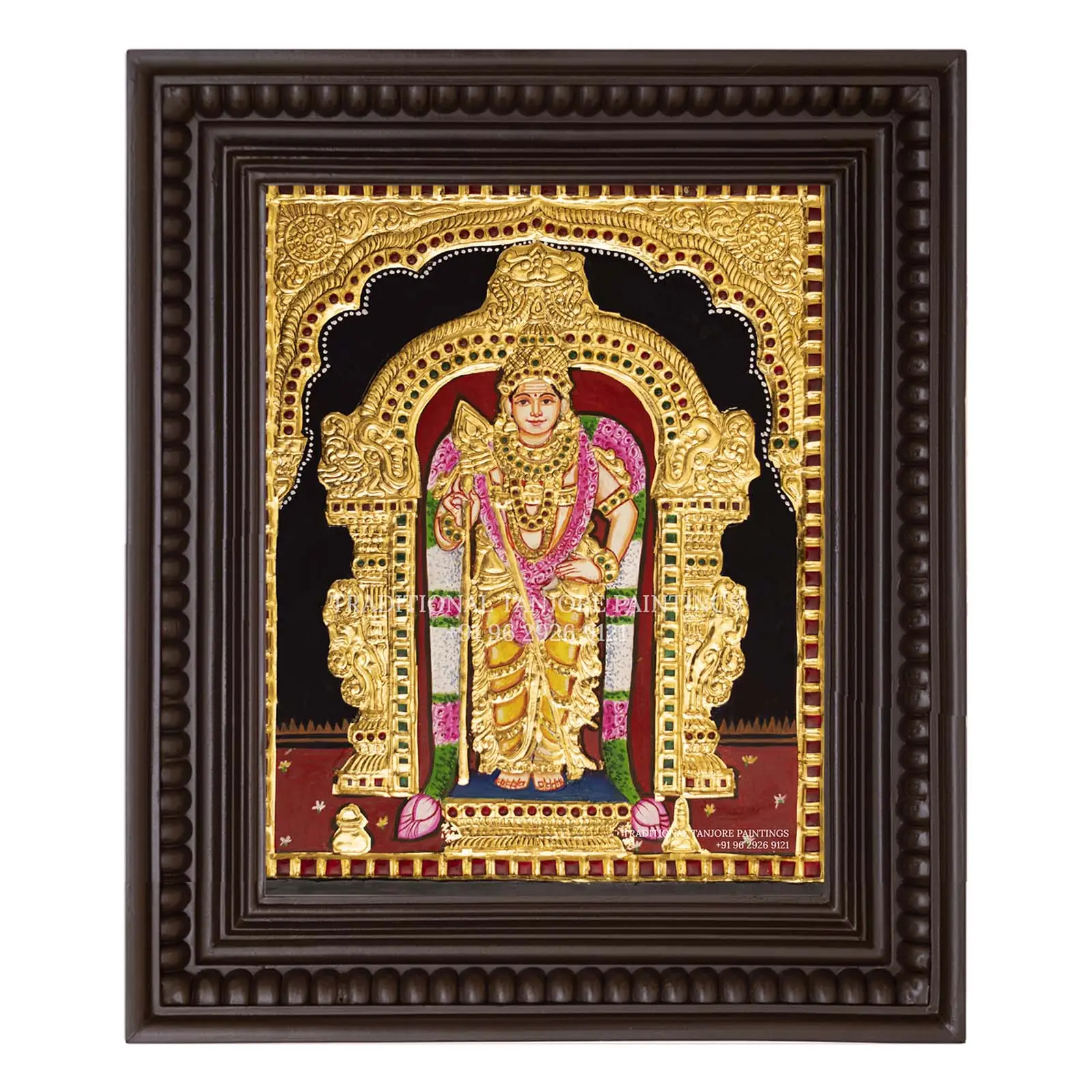
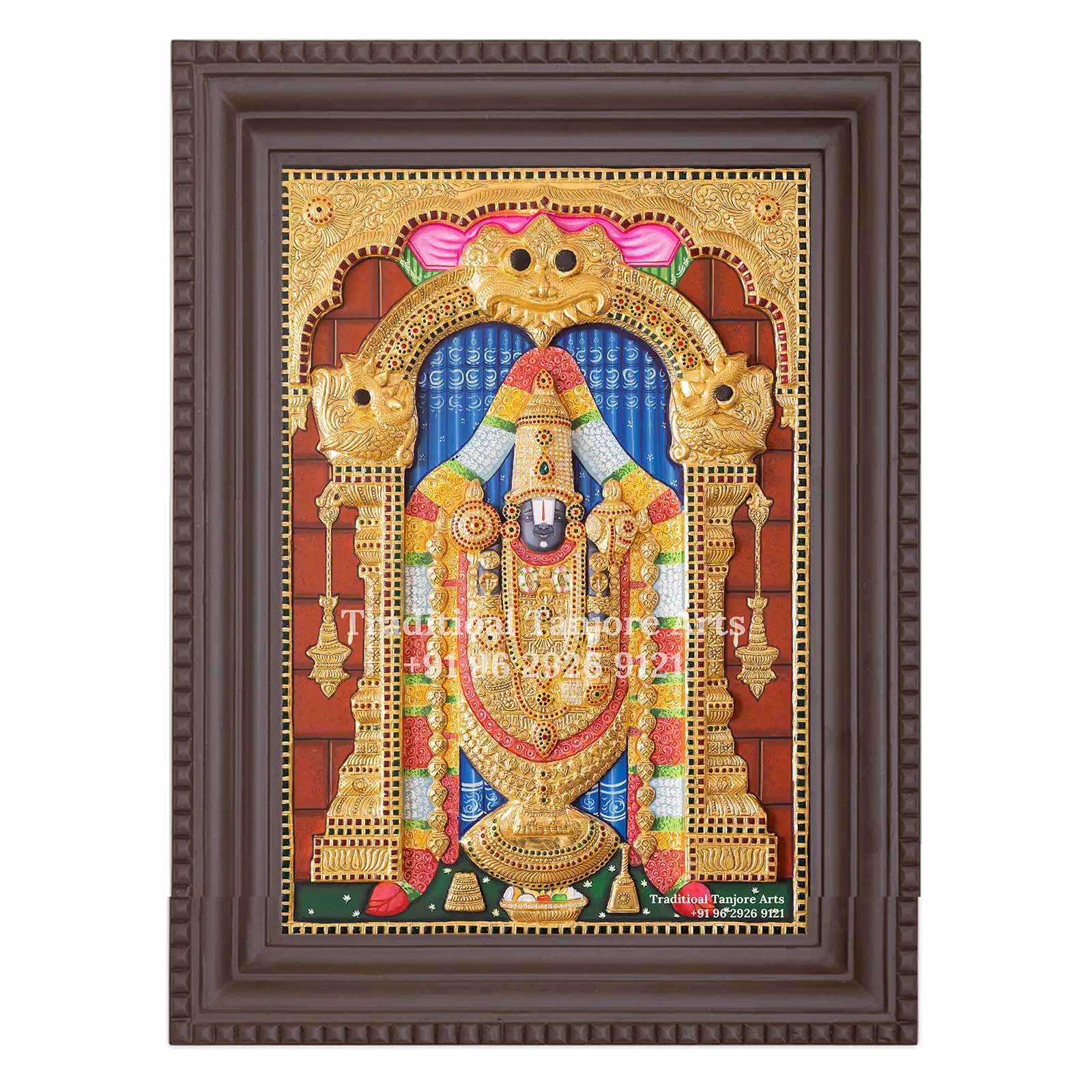
Traditional Tanjore Painting, also spelled as Thanjavur Painting, is one of the most celebrated classical art forms of South India. Originating in the historic town of Thanjavur (Tamil Nadu) during the 16th century, this painting style is renowned for its rich colors, surface richness, and unique gold foil work. Over the centuries, Tanjore Paintings have become a cultural treasure, reflecting devotion, tradition, and artistic excellence.
History and Origin of Tanjore Painting
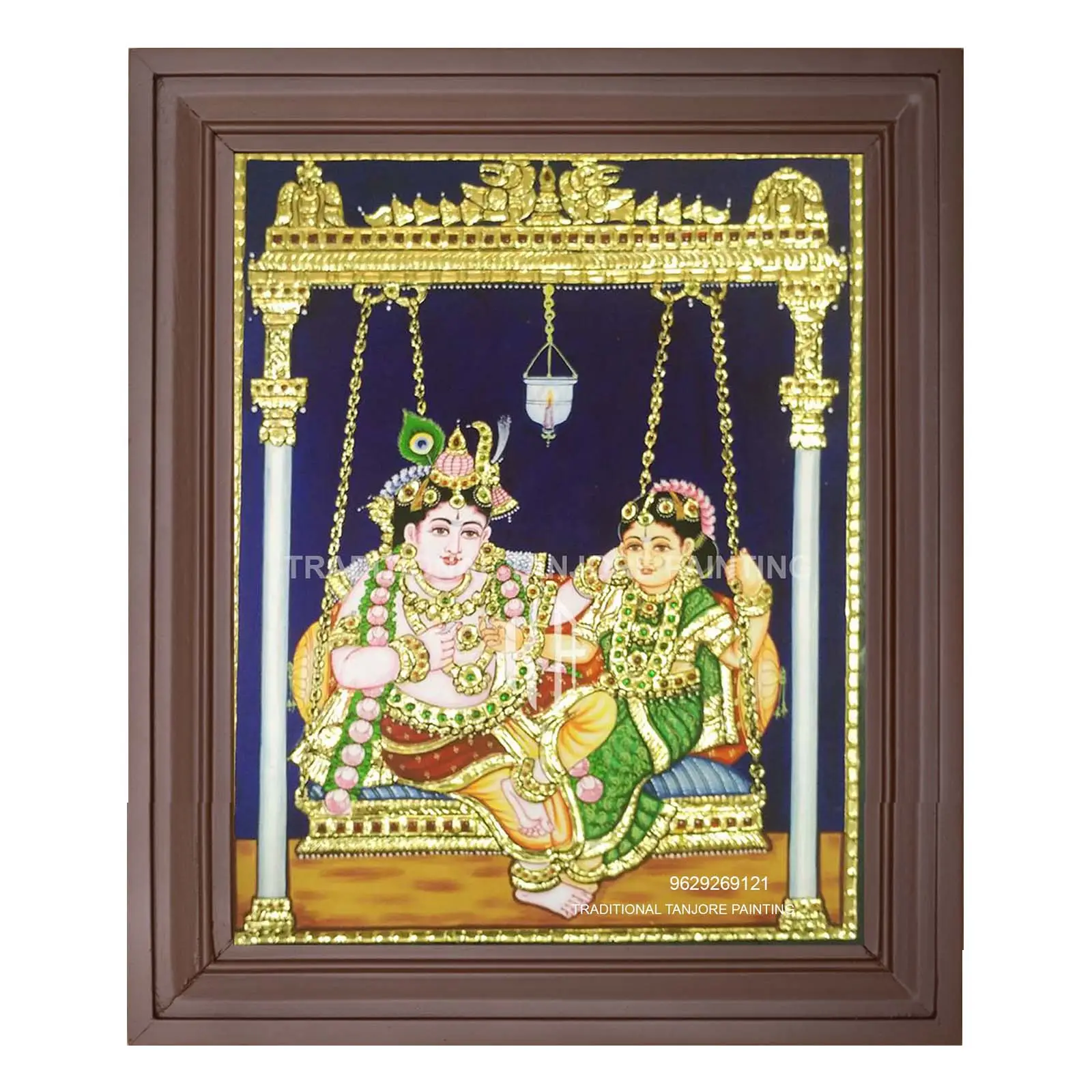
Tanjore Painting traces its roots back to the Nayak and Maratha rulers of Thanjavur. These rulers were great patrons of art and culture, encouraging temple paintings and devotional artworks. The primary focus of Tanjore paintings is spirituality and religion, with most artworks featuring Hindu gods and goddesses such as Lord Krishna, Lord Vishnu, Goddess Lakshmi, and Lord Ganesha.
The paintings were traditionally created for temple walls, shrines, and palaces, making them sacred symbols of devotion. Over time, this art evolved into wooden panel paintings embellished with gold and semi-precious stones, which became treasured family heirlooms.
Unique Features of Tanjore Painting:
- Gold Foil Work – Genuine 22-carat gold leaves are used to give the painting a glowing, embossed look.
- Religious Themes – Most paintings depict deities, mythological stories, and devotional scenes.
- Rich Colors – Natural colors and vibrant hues make the paintings long-lasting.
- Intricate Detailing – Fine lines and delicate patterns highlight the skill of the artist.
- Wooden Base – The painting is usually done on wooden planks (plywood), giving it durability.
Process of Making a Tanjore Painting:
- Base Preparation – A wooden board is layered with a mixture of chalk powder and adhesive to create a smooth surface.
- Sketching the Design – The deity or scene is carefully sketched.
- Gesso Work – A paste of limestone and gum is used to create relief work, giving a three-dimensional effect.
- Gold Foil Application – Thin sheets of gold are applied on the embossed areas to bring radiance.
- Coloring – Natural and bright colors are filled in to complete the painting.
- Final Touch – Sometimes semi-precious stones are embedded for an ornamental effect.
Cultural and Spiritual Significance:
A traditional Tanjore Painting is more than just art—it is considered auspicious and divine. Many households in South India display these paintings in their prayer rooms and living spaces to invoke blessings and positive energy. They are also cherished as wedding gifts, housewarming presents, and family heirlooms, symbolizing prosperity and devotion.
Tanjore Painting in Modern Times:
Today, Tanjore Paintings continue to thrive as artisans preserve the age-old techniques while also adapting to modern tastes. Alongside classical religious themes, some artists create paintings of contemporary subjects, making the art form versatile and relevant. With growing global appreciation, Tanjore Paintings are now recognized internationally as a symbol of India’s rich cultural heritage.
Conclusion:
Traditional Tanjore Painting is a magnificent art form that combines devotion, skill, and timeless beauty. With its golden glow, intricate designs, and spiritual essence, it stands as one of the most precious contributions of South India to the world of art. Whether displayed in temples, homes, or art galleries, Tanjore Paintings continue to inspire awe and admiration across generations.